When a Tenant Won’t Stop Contacting You: A Practical Plan for Boundaries and Clarity
A calm, real-world guide for small landlords facing relentless tenant outreach, with a concrete action plan and boundaries that respect both sides.
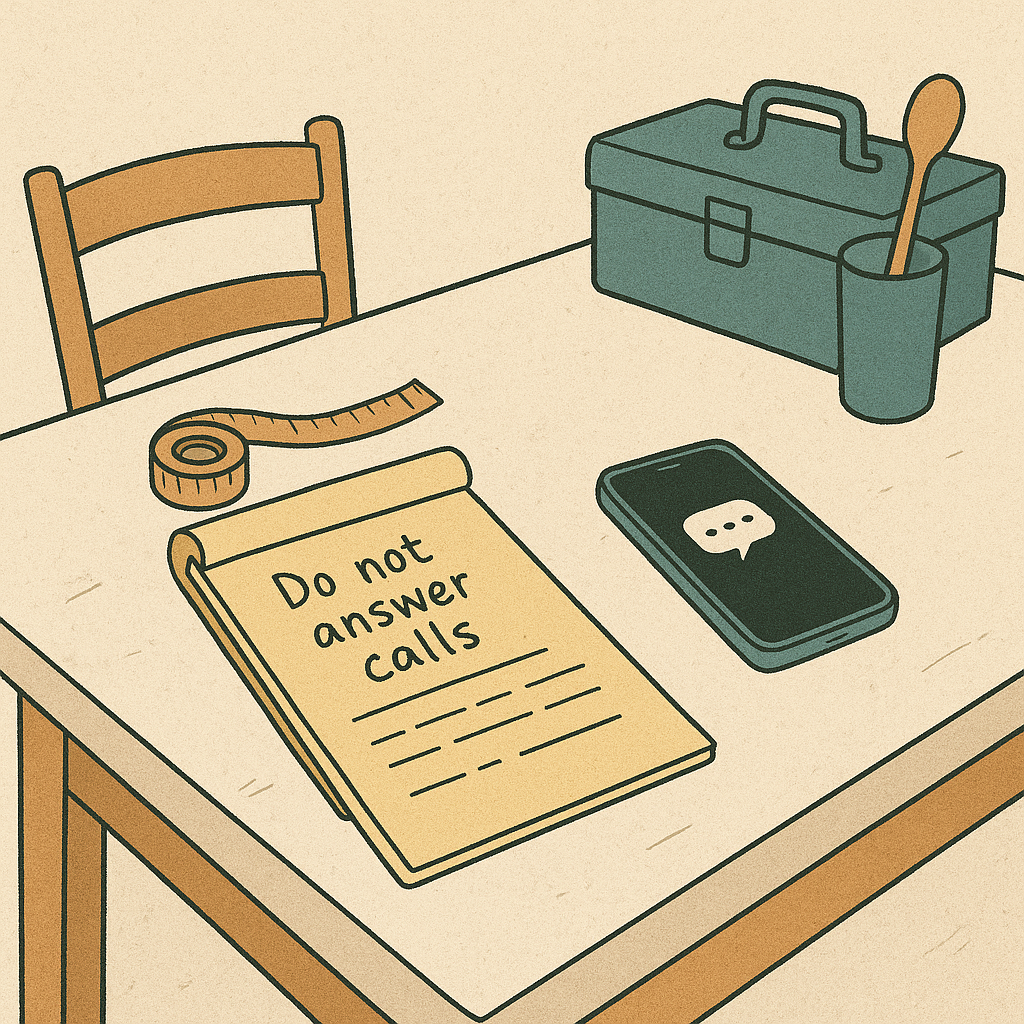
Dealing with a tenant who won’t stop texting, calling, or emailing can wear you down. You’re trying to manage a rental, not run a therapy hotline. The goal here is to restore reasonable boundaries while staying fair and professional. This post focuses on one concrete question many landlords face: how to slow down and organize communications so you can handle the issue without chaos or guilt.
The concrete question
What concrete steps can I take to reduce nonstop contact from a tenant while keeping things fair and compliant? The answer is a structured plan: set boundaries, document interactions, use written channels, and escalate only when necessary. You don’t have to accept every ping, but you do owe clear, respectful communication and timely responses when it’s appropriate.
Step 1: Clarify the communication channels and expectations
- Pick one primary channel. If you already use email for important notices, request that the tenant use email for most non-urgent matters. For emergencies, establish a dedicated phone number or a separate line for urgent issues.
- Set a reasonable response window. For example, respond to non-urgent inquiries within 24–48 hours on business days. Communicate this window in writing so expectations are clear.
- Define what counts as an emergency. Clarify that issues such as a leaking faucet, no heat, or door lock problems qualify as emergencies, while routine questions about rent schedules or minor maintenance can wait for the next business day.
- Create a simple one-page communication policy. Put it in the lease addendum or a formal note to the tenant, stating the preferred channels, expected response times, and what constitutes an emergency.
Step 2: Document everything from the start
- Keep a dated log. Note the date, time, channel, and a brief summary of each contact and your response.
- Save all messages. Create a dedicated folder in your email or file system for tenant communications. If legal notices or formal reminders are sent, keep copies as well.
- Note any missed contacts. If a tenant tries to reach you and you don’t respond within the stated window, document that you followed the policy and were unavailable for the channel they chose.
- Use objective language. When you respond, keep the tone calm and factual. Avoid engaging in arguments or using charged language, which can escalate situations.
Step 3: Use written channels for important information
- Put important notices in writing. Rent reminders, policy changes, or maintenance decisions should be in a formal written format (email or letter) that you can reference later.
- Create a standard template for routine communications. For example, a monthly rent reminder with payment instructions, a brief note about maintenance requests, and a summary of the next steps.
- Archive your messages. Have a predictable place where you store notices, updates, and responses so you can locate them quickly if a dispute arises.
Step 4: Reserve personal time and set boundaries for yourself
- Schedule “no contact” blocks. If the tenant tends to text outside of business hours, you can respond during a set window and then turn off non-essential notifications outside that time.
- Don’t feel obligated to answer immediately. It’s reasonable to give yourself time to review a request before replying, especially when the issue is complex.
- Protect your personal space. Use a work email or a separate business line for all tenant communications to maintain a boundary between personal and rental life.
Step 5: Escalate only when needed
- Have a clear escalation ladder. If the tenant continues to bypass the policy or becomes abusive, reference your written policy and move to the next step: a formal notice or a professional mediation approach if available in your area.
- Consider a formal written notice for repeated violations of communication rules. If courteous, documented reminders fail, a written notice can serve as a documented boundary that you will enforce.
- Involve a third party if necessary. If harassment or persistent, unmanageable contact continues, you may consider having a third party, such as a property manager or attorney, take over communications. This is not legal advice; consult the appropriate resources for your situation.
Step 6: Weigh the balance between accessibility and sanity
- Remember your obligations. You still need to respond to valid maintenance requests and safety concerns promptly within applicable laws and lease terms.
- Balance fairness with boundaries. The goal is not to silence tenants but to ensure that communication is productive and respectful.
- Revisit and revise. After a few weeks, review how well your policy is working. If needed, update your written policy and share the changes with the tenant.
A practical one-page checklist
- Identify the primary, non-emergency vs emergency channels for contact.
- Draft and share a simple communication policy.
- Set a defined response window (e.g., 24–48 hours for non-emergencies).
- Establish what constitutes an emergency and how to report it.
- Create templates for routine notices (rent reminders, policy changes, maintenance updates).
- Maintain a dedicated log of all contacts and responses.
- Schedule time blocks for replying and avoid constant pings outside those blocks.
- Use a separate business line or email for tenant communications.
- Apply a formal escalation process if the policy is ignored.
- Review and adjust the policy after a set period.
Realistic expectations
You’re managing a living space and a tenant relationship at the same time. A steady policy reduces chaos and reduces the chance that you’ll get dragged into non-essential back-and-forth. It also protects you from miscommunications that can escalate into bigger issues later. You don’t have to become a wall of stone, but you should have clearly defined channels, reasonable expectations, and a plan to follow when the pace of contact gets out of hand.
This is not legal or financial advice. Laws vary by location.
Helpful resources
- Lease Agreement Forms - simple templates for written notices and policy updates
- The Book on Managing Rental Properties - practical landlord tips and checklists
- Landlord Emergency Contact Poster - quick-access reminder for critical contacts
- Tenant Background Screening Service - basic screening tool for tenant due diligence
Landlord checklist bundle
Stop rebuilding your checklist for $5.
The bundle keeps turnover, move-in, maintenance, and move-out checklists in one printable place so you can stop improvising the same steps from memory. Instant access after checkout.
- Turnover prep checklist
- Move-in checklist
- Preventative maintenance checklist
- Move-out inspection checklist
One-time purchase. No subscription nonsense. Payments are live.