What to do when a tenant wants to break a lease early: a practical landlord guide
A calm, practical look at steps to handle a tenant’s early lease termination without drama or disruption to your property flow.
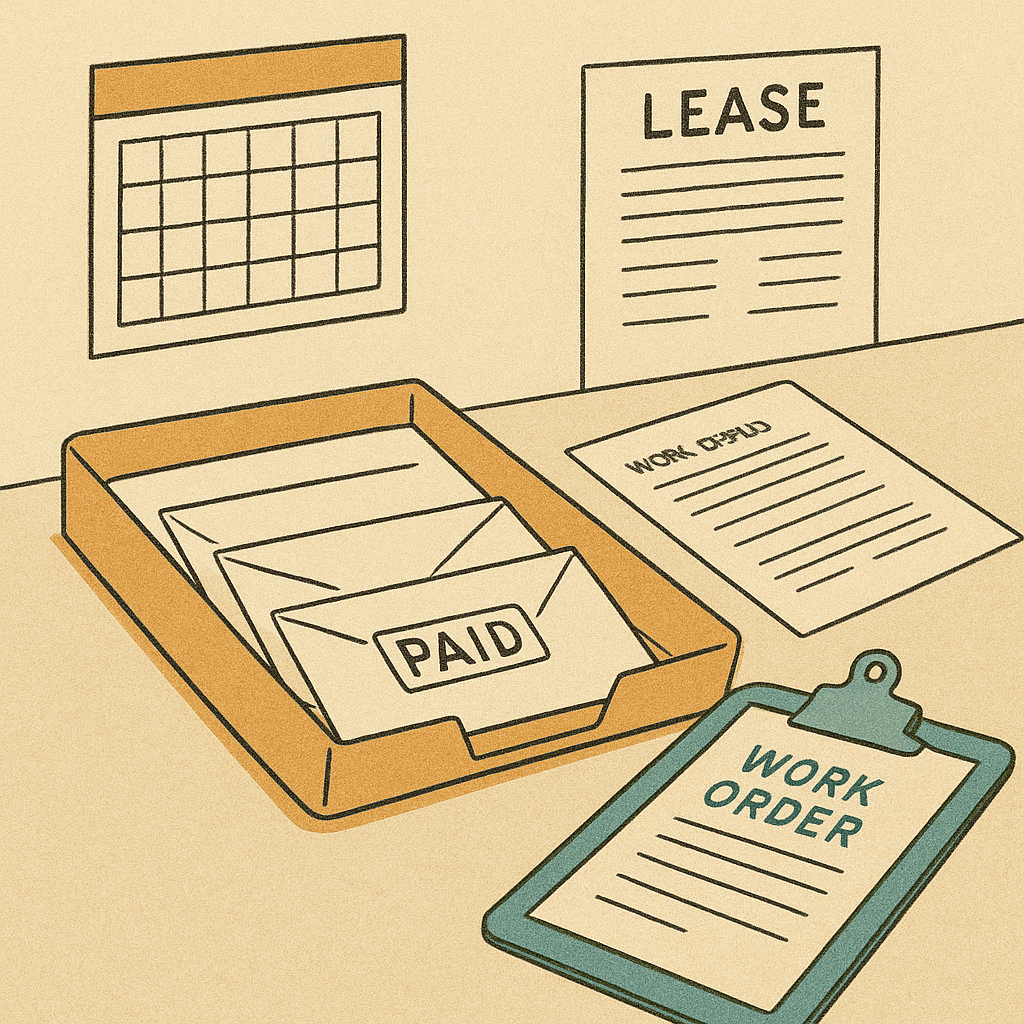
Breaking a lease can feel like a catch-22: you’re trying to keep your property filled, cover costs, and the tenant is trying to move on. This piece focuses on a single practical question small landlords often face: what to do when a tenant wants to break a lease early. The aim is to walk through a calm, methodical approach that protects your property interests while remaining fair and professional.
The core question
A tenant asks to break a lease early. There are three things to clarify upfront:
- Why is the tenant asking to leave? Circumstances vary from job relocation or family needs to unexpected financial stress.
- What does the current lease say about early termination? Most leases have some form of early termination clause or two-way break language. If you don’t know what your lease says, locate the relevant section and read it carefully.
- What can you reasonably agree to in your situation? Some landlords accept early termination with conditions; others prefer a clean break with the option to re-rent quickly. The goal is clarity, not drama.
This post lays out a practical, step-by-step framework to handle the request in a predictable way, with a focus on minimizing vacancy time and maintaining your property in good order.
Step-by-step approach
Use this checklist to guide your conversation and the paperwork that follows.
- Confirm the request in writing
- Ask the tenant to submit a written notice of intent to break the lease, including proposed move-out date and any reasons they wish to share. Written documentation helps avoid miscommunication.
- Note any stated reasons as context, not as negotiation leverage. Your primary objective is a plan for turnover and re-rental, not to challenge the tenant’s personal circumstances.
- Review the lease and your local norms
- Read the early-termination clause carefully. Look for required notice periods, penalties, or fees, and whether subletting is allowed as an alternative.
- Check your state or local guidance on security deposits and what you can deduct for damages or vacancy-related costs. Laws vary, but many leases outline how the deposit is handled when a tenant leaves early.
- If the lease is silent on early termination, rely on the general terms about breaking a lease and any applicable state statutes or common practices you’ve established in prior rentals.
- Assess the financial impact
- Create a simple cost picture: lost rent from the move-out date to the new tenant’s move-in, cleaning and turnover costs, possible minor repairs, and advertising costs if you’ll need to find a new tenant.
- Decide whether you’ll charge an early-termination fee, cover costs with the security deposit, or try for a compromise if the tenant helps speed up turnover (for example, paying rent through the move-out date or sharing some of the re-rent expense).
- Consider the risk of repeating vacancy days. If you’ve had back-to-back vacancies, you may want to add a practical cushion in your planning, but avoid punitive figures that might deter tenants from honest communication.
- Explore alternatives to a clean break
- Subletting or assignment: If allowed by your lease, this can be a straightforward way for the tenant to exit while preserving your occupancy. Confirm the new tenant’s suitability with screening standards you already use.
- Short-term arrangement: In some markets, you might accept a shorter notice period or a month-to-month extension to bridge the gap while you find a replacement.
- Tenant-assisted turnover: Some tenants are willing to assist with advertising, showings, and scheduling. If you’re comfortable with this, define the scope clearly in writing.
- Negotiate a written agreement
- Draft a written termination agreement or amendment to the lease that outlines move-out date, responsibilities, any fees, and the proscribed turnover process.
- Include who pays for turnovers and how security deposits will be handled, including any deductions for damages beyond normal wear and tear. Ensure both parties sign.
- If you’re asking for the tenant to help with turnover (showings, cleaning, etc.), set clear expectations and schedules in the agreement.
- Prepare the property for turnover
- Create a turnover checklist and share it with the departing tenant if they’re willing to cooperate. Tasks typically include cleaning, removing personal items, and arranging access for showings.
- Schedule key exchanges and ensure you have all necessary access (locks, garage remotes, mailbox keys).
- Begin advertising promptly once you have a move-out date and the unit will be vacant soon. The sooner you start, the shorter the vacancy period is likely to be.
- Communicate clearly with interested applicants
- If you’re ready to market the unit, present a straightforward description, required documents, and screening standards you use for all applicants.
- Maintain consistent communication: confirm showings, timelines, and application steps to avoid confusion or misaligned expectations.
- Document everything
- Keep a folder (digital or physical) with all written communications, the amended lease or termination agreement, and any sign-offs.
- Record the move-out inspection and note any excess wear or damage. A well-documented turnover helps with security-deposit decisions and future disputes.
Practical tips to keep in mind
- Stay calm and professional: A respectful conversation reduces miscommunication and helps both sides reach a fair outcome.
- Protect your property: If a tenant asks to terminate early, you might want a quick turnover plan. A rushed handover can lead to neglected cleaning or minor damage that costs you later.
- Be mindful of your processes: Use a standard template for notices, amendments, and turnover checklists so you don’t miss critical details.
- Balance empathy with policy: It’s reasonable to accommodate a reasonable request, but make sure the agreement is clear and documented.
This approach isn’t about arguing the tenant into staying or forcing a punitive outcome. It’s about turning a potentially disruptive moment into a well-managed turnover that serves both sides and keeps your property on track.
Common pitfalls to avoid
- Don’t ignore notice: If a tenant gives you notice, respond promptly with a plan. Slow responses breed uncertainty and friction.
- Don’t assume you can or should re-rent at a higher rent or with different terms without evaluating the current market and your existing contract.
- Don’t rely on informal agreements: Always put the terms in writing and have both parties sign.
A short, practical closing thought
Early termination can disrupt a rental cycle, but a solid process reduces the drama and the vacancy risk. The more you can rely on a clear, written plan and a consistent approach to turnover, the less you’ll be surprised by the next move-out notice.
This is not legal or financial advice. Laws vary by location.
Helpful resources
- Tenant Background Screening Service - helpful for evaluating replacement tenants
- Lease Agreement Forms - standardized templates for amendments
- The Book on Managing Rental Properties - practical guidance for turnover and management
- Landlord Emergency Contact Poster - quick reference for tenant needs
Landlord checklist bundle
Stop rebuilding your checklist for $5.
The bundle keeps turnover, move-in, maintenance, and move-out checklists in one printable place so you can stop improvising the same steps from memory. Instant access after checkout.
- Turnover prep checklist
- Move-in checklist
- Preventative maintenance checklist
- Move-out inspection checklist
- 48 practical checks across the tenant cycle
- PDF, browser version, and plain-text copy
- Instant access after checkout
One-time purchase. No subscription nonsense. Payments are live.