Handing a Property to a Manager Without Losing Control
How to delegate property management tasks while keeping strategic control: clear expectations, reporting, and decision rules for small landlords.
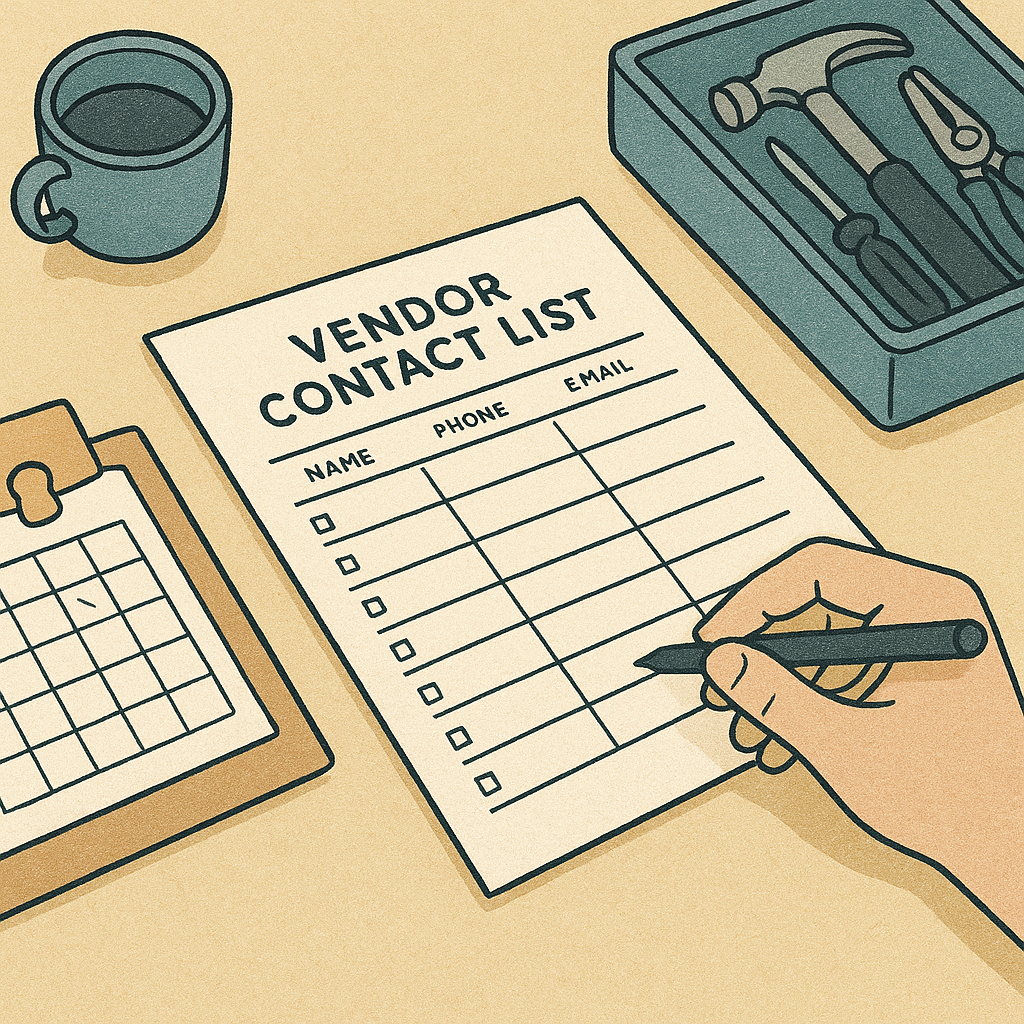
What’s the best way to hand a single rental (or a small portfolio) to a property manager while still calling the shots on the things that matter? Many landlords want relief from day-to-day work but worry they’ll lose oversight, miss cash-flow issues, or have important decisions made without their approval. This article addresses that specific concern with a practical checklist you can use when onboarding a manager and a set of decision rules to keep control without being in the weeds.
Why this question matters
Handing over operations should reduce your workload, not your ability to protect income, maintain the property, and preserve tenant relationships. The goal is a clean transfer of responsibilities accompanied by documented limits—what the manager can decide alone, and what needs your sign-off. Clear lines keep everyone efficient and reduce surprises.
Key principle: separate authority from responsibility
Give the manager authority to act on routine items and responsibility for outcomes, but keep authority for strategic items that affect long-term value or cash flow. Write those categories down and build them into contract language, onboarding paperwork, and regular reports.
Concrete onboarding checklist
Use this checklist when you hire and hand over a property. Complete each item and keep a copy in your files.
- Define decision limits in writing
- Specify dollar thresholds for repairs, emergency spending, and vendor hiring (for example: repairs under $500, emergency repairs under $2,000). Adjust amounts to match your market and comfort level.
- List decisions that always require landlord approval (e.g., signing new leases above X months, evictions, major capital projects, change in rent strategy).
- Create a standard reporting schedule
- Require weekly or biweekly activity summaries and a monthly financial report with income, expenses, and outstanding work orders.
- Specify which documents you want as attachments (invoices, vendor estimates, receipts).
- Set communication rules
- Agree on primary communication channels (email for records, phone or text for true emergencies).
- Define emergency response expectations (timeframe to respond and types of events defined as emergencies).
- Inventory and keys transfer
- Do a room-by-room inventory and photo record. Confirm where spare keys, access codes, and gate remotes are kept.
- Note serial numbers for appliances or warranties that will affect decisions.
- Vendor and maintenance plan
- Provide a preferred-vendor list and note which vendors require prior approval.
- Identify routine maintenance schedule and any maintenance vendors the manager can use without approval.
- Tenant file handoff
- Share tenant contact info, lease copies, security deposit records, past notices, and any ongoing issues.
- Confirm where the manager will store and back up tenant records.
- Finance setup
- Decide whether the manager will collect rent into a trust account, disburse funds to you, or use a property-specific bank account.
- Specify invoice approval process, when funds are remitted, and any reserve or petty cash amounts.
- Performance metrics and review dates
- Agree to performance metrics (occupancy rate, average repair cost, response time) and a 30/90-day review schedule.
- Set a longer-term review point (every 6–12 months) to evaluate strategy and fees.
- Access to systems and passwords
- Provide access to utilities, insurance documents, and any online accounts the manager needs. Use a secure password-sharing tool if possible.
- Get a list of access credentials the manager used and insist on secure storage.
- Exit and transition plan
- Include a short transition plan for ending the relationship: final accounting, file transfer, notice period, and returning keys and documents.
Decision-rule examples you can adapt
- Emergency repairs: Manager may approve repairs up to $X for safety or to avoid further damage. Provide a definition of “emergency” (flooding, no heat in winter, major electrical faults).
- Routine maintenance: Manager can approve and schedule standard maintenance items (lawn, HVAC filter changes, minor plumbing) up to $Y per instance.
- Capital projects: Anything over $Z or projects estimated to take more than 3 days require written estimates and landlord approval.
- Pricing changes: Managers can suggest rent adjustments in writing; landlord must approve any change in advertised rent or concession policy.
- Lease signing: Manager may sign standard renewals within a preset template and length; any deviations (longer terms, rent concessions, unusual clauses) need landlord sign-off.
Reporting that keeps you in control
A short, consistent reporting package reduces surprises while keeping you out of daily details. Require these elements:
- Monthly financial statement with bank reconciliation and copies of any checks over your approval threshold.
- Work-order log showing open, in-progress, and closed items.
- Tenant communications summary listing complaints, repairs, and notices.
- Vacancy and marketing update when a unit is listed (showing where it’s advertised and screening steps taken).
How to handle the inevitable gray areas
Expect disagreements and plan for them. Two techniques cut friction: a tie-breaker authority and temporary escalation. Designate a short process: if the manager and landlord disagree on a decision above the manager’s threshold, the manager proposes two options and the landlord responds within a set number of business days. If no response, a preset fallback (e.g., delay non-urgent work; proceed with conservative option for safety items) applies.
Keep a small reserve fund
Ask the manager to maintain or access a modest reserve for true emergencies. That keeps small crises from becoming delayed disasters while you retain oversight of larger expenses.
Regular reviews and the right tone
Control is a relationship, not a clause. Treat the manager as a partner: be clear about expectations, but give them room to do their job. Use 30/90-day reviews to recalibrate. Focus on outcomes rather than micromanaging methods.
This is not legal or financial advice. Laws vary by location.
Helpful resources
- Landlording on Autopilot - workflow ideas for property owners wanting less hands-on time
- The Book on Managing Rental Properties - practical reference for everyday management
Publication date: 2026-03-20
Landlord checklist bundle
Stop rebuilding your checklist for $5.
The bundle keeps turnover, move-in, maintenance, and move-out checklists in one printable place so you can stop improvising the same steps from memory. Instant access after checkout.
- Turnover prep checklist
- Move-in checklist
- Preventative maintenance checklist
- Move-out inspection checklist
One-time purchase. No subscription nonsense. Payments are currently in test mode.