Planning a Maintenance Reserve for Older Rentals: A Practical Guide
A practical approach to building and managing a maintenance fund for properties with aging systems and components.
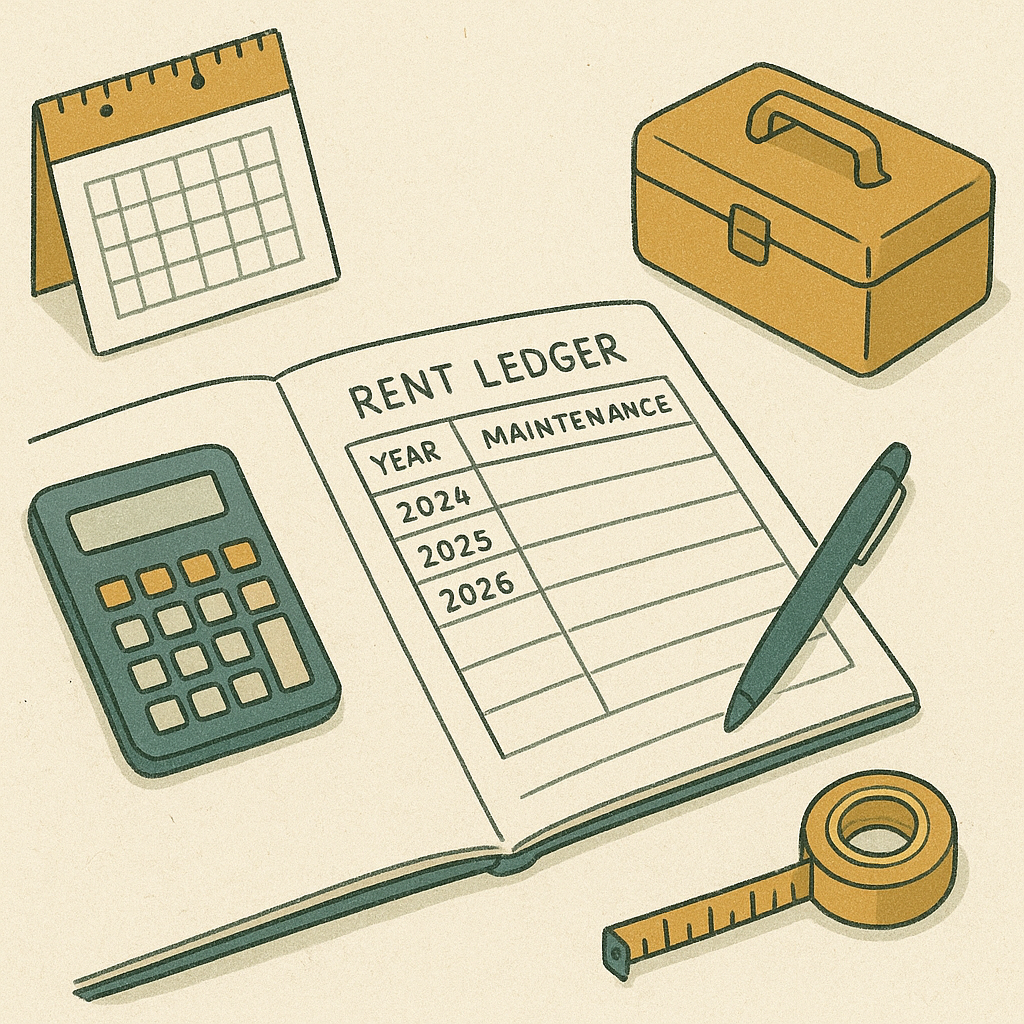
If you own an older rental, you’ve probably learned that maintenance isn’t a matter of if, but when. A thoughtful maintenance reserve helps you cover repairs without scrambling for cash or disrupting tenants. This piece focuses on a single practical question: how should you plan a maintenance reserve for an older rental property so you can stay ahead of big repairs and keep tenants comfortable?
The core question
What level of reserve should you aim for, and how do you build it without starving your cash flow? The answer isn’t one-size-fits-all, but you can establish a repeatable method that fits your property, local climate, and financing. Start with conservative expectations, then adjust as you gain experience with actual repair costs.
A simple approach to planning
- Inventory and categorize: List major systems and components likely to need attention as the property ages (roof, plumbing, HVAC, electrical, appliances, exterior maintenance). Prioritize items by criticality and probability of failure in the next 2–5 years.
- Estimate replacement timelines: For each item, note rough replacement or major repair timelines based on age, prior repairs, and typical wear in your area. Use the “useful life” idea as a rough guide, but tailor it to reality.
- Create a target reserve: A practical starting point is to set aside a monthly amount that would cover anticipated major repairs over a 2–5 year window. If you’re newer to ownership, you might start with a smaller cushion and increase as you accumulate actual costs. The key is consistency over luck.
- Separate and track the fund: Keep maintenance reserves in a dedicated savings account or ledger. Track contributions and withdrawals so you see the balance and remaining runway at a glance.
- Build in a buffer for surprises: Older homes often present “hidden” issues (hidden water damage, degraded wiring, degraded insulation). Add a modest contingency (a small percentage of the monthly reserve) to cover these surprises.
- Review at least annually: Reassess the list of items, their age, and your actual repair costs. Update your reserve target accordingly.
- Communicate with your numbers in mind: If you have co-tenants or partners, share the plan so everyone understands why you save and how it affects rents and maintenance timelines.
A practical step-by-step plan you can implement this month
- Step 1: Create a quick master list of major items by age and risk. Include roof, gutters, HVAC, water heater, plumbing lines, electrical panel, and exterior surfaces.
- Step 2: Gather rough cost anchors. Use private estimates, contractor quotes, or past invoices from your own records. If you’ve never logged costs, start with ballpark ranges and tighten over time.
- Step 3: Choose a reserve target. For many older rentals, a starting target might be 3–6% of annual gross rent dedicated to maintenance. You can adjust this up or down as you learn actuals.
- Step 4: Set up the tracking. Create a simple ledger or use a dedicated savings account. Record every contribution and every withdrawal with date and purpose.
- Step 5: Schedule a yearly review. Update item ages, adjust the reserve target, and note any big upcoming needs (e.g., a roof inspection).
Keeping the plan practical in everyday management
- Don’t chase perfection: It’s okay if you don’t predict every cost exactly. The goal is to reduce friction when repairs come up.
- Prioritize safety and compliance: If a repair affects tenant safety or habitability, address it promptly even if it strains the reserve a bit. Rebuild the fund afterward.
- Use realistic timelines: If a typical replacement costs more than your monthly contribution, you’ll appreciate the buffer when work is needed.
- Consider financing options: For very large items (like a roof or major HVAC overhaul), weigh cash reserves against financing options. The choice depends on your cash flow and risk tolerance, not just sticker price.
What this means for day-to-day landlord life
A steady reserve reduces last-minute scrambling, helps you avoid rent-increase spikes driven by surprise costs, and keeps maintenance predictable for tenants. It’s not glamorous, but it’s a stabilizing discipline you can apply to almost any older rental.
This is not legal or financial advice. Laws vary by location.
Helpful resources
- Smoke and Carbon Monoxide Alarm - Basic safety checks and alarm readiness.
- Security Deposit Log Book - Track deposits and move-in/out costs.
- Rental Property Expense Ledger - Simple way to log ongoing costs.
- The Essential Landlord Checklist Bundle - Structured inspection notes for turnover.
Final note
With an older rental, a clear plan for maintenance reserves isn’t a guarantee against every surprise, but it helps you stay ahead of the worst ones and keep the property habitable and rentable for longer.
Maintenance shortcut
Keep the boring maintenance stuff straight for $5.
The maintenance checklist gives you a simple seasonal rhythm before filters, leaks, and small repairs get expensive and annoying. Instant access after checkout.
- Turnover prep checklist
- Move-in checklist
- Preventative maintenance checklist
- Move-out inspection checklist
- 48 practical checks across the tenant cycle
- PDF, browser version, and plain-text copy
- Instant access after checkout
One-time purchase. No subscription nonsense. Payments are live.