Managing maintenance for distant rentals: practical steps for landlords
A practical guide to handling upkeep when you don’t live nearby, with a concrete plan and a step-by-step checklist.
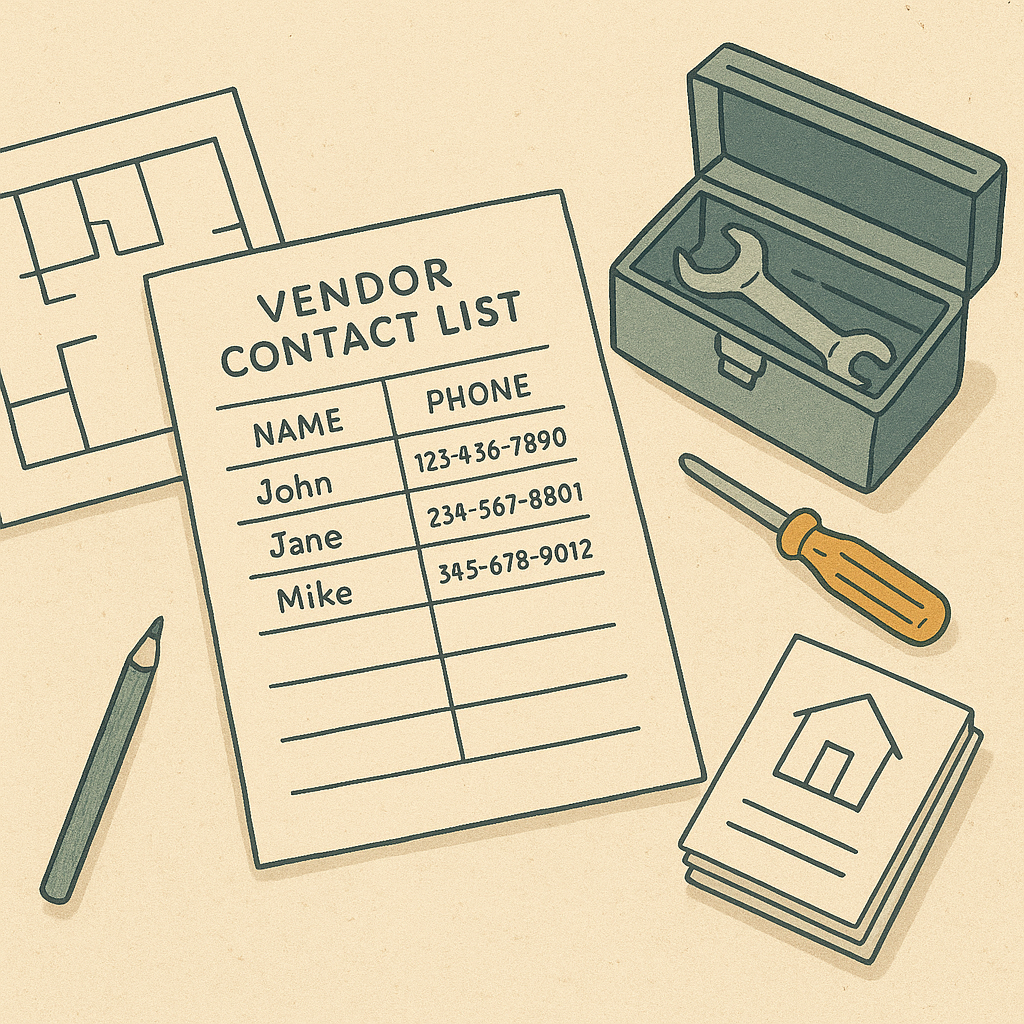
Maintaining rental property from afar can feel like juggling: you want things to run smoothly, but you’re not on site to supervise every detail. The core question you’ll need to answer is: how can I set up reliable processes and a trusted team so maintenance issues get addressed quickly and fairly, even when I’m hours or states away? This piece walks through a practical, repeatable approach that works for small portfolios that aren’t in your backyard.
What you’re setting up is not a one-off fix but a system. You’ll need clear expectations, good documentation, and dependable people. Start by framing the problem in simple terms: what can I control, and what must I delegate? You’ll delegate almost everything that requires presence on the ground—without losing control of outcomes or costs. The goal is a balance between reasonable oversight and practical autonomy for others.
Concrete question guiding this guide:
- How can I efficiently oversee maintenance for a rental I don’t live near without micromanaging or breaking the bank?
- Build a reliable vendor network and clear expectations
- Identify core roles: licensed tradespeople for electrical, plumbing, HVAC, and a trusted general contractor or handy person for smaller tasks.
- Gather several options for each trade: two to three bids or quotes per job are ideal when possible. Look for licenses, insurance, and a track record with rental work.
- Create a short, one-page service guide for each trade. Include: how to reach you, typical response times, how estimates are approved, and what qualifies as an emergency.
- Establish preferred contractor relationships: explain you’re a distant landlord who will approve costs up to a threshold without on-site visits, and set a process for exceptions.
- Set up a clear communication and response protocol
- Decide on a primary point of contact for tenants: usually a property manager or a designated neighbor. If you don’t have a local contact, consider a property management firm or a trusted neighbor who can be a hands-on liaison.
- Define response times: tenants should report issues through a standard channel (text, email, or a portal). For urgent problems, a same-day or next-day who-to-call policy should exist.
- Create a simple maintenance ticket system: even a shared spreadsheet or a lightweight form can help track issues, status, and costs. Your goal is visibility—yours and the tenant’s.
- Document every decision: keep a file for each property with issue details, notes from conversations, photos, estimates, invoices, and finalized actions.
- Implement a routine for inspections and preventive care
- Schedule remote-friendly inspections: annual or semi-annual drive-by checks by your local manager, plus a mid-cycle tenant self-inspection checklist.
- Use a standard inspection checklist: note condition of major systems, signs of wear, leaks, pests, and safety devices. Store results with dates for accountability.
- Prioritize preventive fixes: small leaks or worn seals may prevent bigger, costlier problems later. Approve proactive replacements when evidence suggests upcoming failure.
- Budget for the inevitable and the unexpected
- Build a contingency line in your operating budget: for distant landlords, a predictable amount for unexpected repairs helps maintain cash flow discipline.
- Set cost thresholds for on-site approval: for example, routine maintenance up to a certain dollar amount can be approved by your property manager; anything above requires your explicit consent.
- Track performance over time: compare actual costs to estimates and to previous years. Use this data to adjust reserves and set more accurate expectations for tenants.
- Create a simple, ethical repair policy for tenants
- Define what constitutes an emergency (gas smell, fire hazard, no heat in winter, water intrusion, electrical hazard) and what to do now, and what costs will be charged if the issue is due to tenant wear and tear.
- Clarify tenant responsibilities for reporting promptly and maintaining reasonable care of the space.
- Provide guidance on temporary measures tenants can take while awaiting repairs, such as shut-off locations and safety precautions.
- Use documentation to protect both sides
- Keep a chronological record: every report, communication, estimate, approval, and completion note belongs to the property file.
- Save receipts and invoices: attach them to the corresponding issue in your system so you can review costs during rent cycles or annual accounting.
- When possible, photograph issues before and after repairs: visuals help confirm scope and quality of work, and protect you if questions arise later.
- Facilitate a smoother on-site experience for contractors and tenants
- Provide clear access instructions: gate codes, door keys, entry windows, and any pet policies that affect access.
- Consider a ‘quiet hours’ policy for work around tenants’ schedules when feasible, reducing conflicts and complaints.
- Create a short on-site checklist for contractors: arrive on time, protect floors and walls, clean up after, and leave a basic status note.
A practical, step-by-step workflow you can implement now
- Step 1: Choose a local point of contact (manager or neighbor) and share your failure-free escalation path with tenants.
- Step 2: Build a vendor roster with 2–3 options per trade; collect licenses, insurance, and references.
- Step 3: Create or refine a maintenance ticket system. Keep it simple but structured.
- Step 4: Establish inspection cadence and a standard checklist; attach photos and notes.
- Step 5: Set budgeting rules and approval thresholds; document all decisions.
- Step 6: Implement an emergency guide for tenants plus a safety-first communication tone.
- Step 7: Archive every job file in a consistent format so a different landlord could navigate it later.
Common pitfalls to avoid when you’re managing from a distance
- Relying on a single contractor: diversify to avoid bottlenecks, and keep pricing competitive.
- Delaying estimates: tenants and managers need clarity about costs and timeliness. Request written estimates and a clear scope.
- Inadequate documentation: without a proper trail, disputes about what was agreed or done can arise.
- Expecting miracles on low budgets: plan for reasonable costs and set honest expectations with your tenants.
A closing note on practicality If you’re distant, the backbone of success is a simple, repeatable process that someone you trust can execute with minimal guidance. It’s not about being everywhere at once but about knowing where to turn when something breaks, and making sure the path from report to repair stays smooth and transparent. You’ll probably learn as you go, and that’s okay. Start with a small, doable system, then expand as your portfolio grows.
This is not legal or financial advice. Laws vary by location.
Helpful resources
- The Essential Landlord Checklist Bundle - handy reference for documenting conditions at move-out.
- Smoke and Carbon Monoxide Alarm - basic safety device for rentals.
- Water Leak Sensor - helps detect hidden leaks early.
Maintenance shortcut
Keep the boring maintenance stuff straight for $5.
The maintenance checklist gives you a simple seasonal rhythm before filters, leaks, and small repairs get expensive and annoying. Instant access after checkout.
- Turnover prep checklist
- Move-in checklist
- Preventative maintenance checklist
- Move-out inspection checklist
- 48 practical checks across the tenant cycle
- PDF, browser version, and plain-text copy
- Instant access after checkout
One-time purchase. No subscription nonsense. Payments are live.