Preparing for Your First Rental Property: A Practical Start-Up Plan
A step-by-step approach to getting ready for your first rental, focusing on a single core question: how to prepare financially, legally safe, and practically for a smooth start.
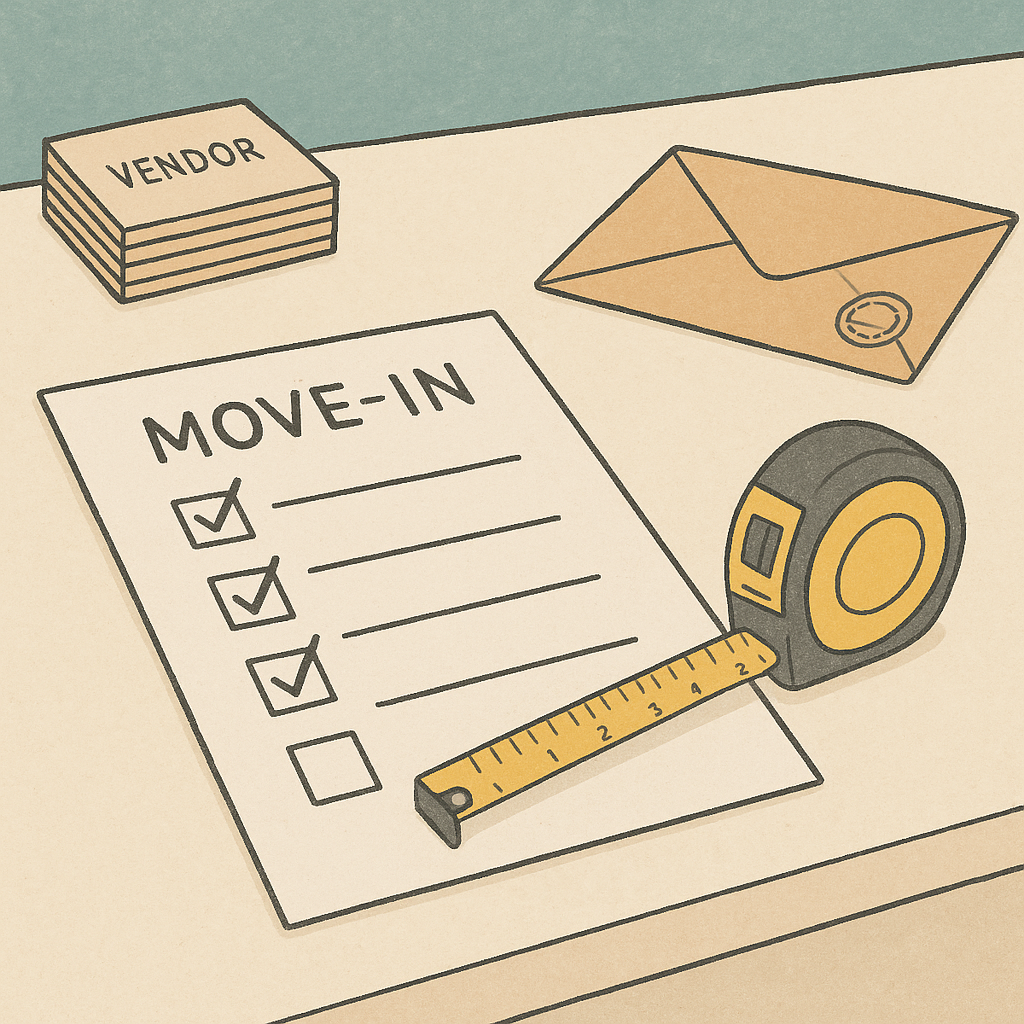
One concrete landlord question to answer before you dive in: What are the essential steps to prepare financially, legally, and practically so your first rental property can run smoothly from day one?
If you’re new to this, it’s easy to get pulled into shiny ideas or quick fixes. The reality is you’ll sleep better if you build a practical plan that covers money, safety, maintenance, and a simple operating framework. Below is a practical, reality-grounded guide to getting ready for your first rental property, with a clear checklist you can adapt as you learn.
1) Define your goals and set a basic budget
Before you buy or even visit a property, clarify a few ground questions:
- What rent range do you expect to offer, and what vacancy rate are you prepared to accept in the planning?
- What is your target cash reserve for 3–6 months of mortgage payments, utilities, and repairs?
- How many units or rooms are you realistically willing to manage yourself, and when would you bring in a manager?
Create a simple monthly budget that includes: mortgage payment, property taxes, insurance, maintenance, utilities (if you cover any), and a line for unexpected repairs. A conservative reserve is worth more than a big dream when you’re just starting.
Tip: keep personal and business finances separate. Open a dedicated bank account for the property and track expenses there.
2) Build a safety and compliance baseline (non-legal, practical)
Safety items tend to be the most visible and the easiest to optimize early. You’ll gain peace of mind by having a clear, low-friction safety baseline:
- Smoke and carbon monoxide detectors: ensure working units on every level and near sleeping areas; test and replace batteries twice a year.
- Fire safety and exits: check that hallways are clear and that exits are accessible.
- Electrical and plumbing basics: fix obvious leaks and cords, ensure GFCI outlets in wet areas.
- Locks and security: dependable door locks and a plan for changing codes if needed.
Document what you service and how you verify it. A simple log helps you track when items were checked and last replaced.
3) Plan the property’s essentials and upgrades (what you must have at move-in)
Make a pragmatic move-in list that balances cost with appeal:
- Durable flooring in high-traffic areas; consider easy-to-clean options.
- Neutral paint and updated fixtures that feel fresh but not flashy.
- Kitchen basics: functional appliances, reliable plumbing, and adequate lighting.
- Bathrooms: secure fixtures, working exhaust, clean tile, and better ventilation.
You don’t need luxury upgrades to attract responsible tenants, but a solid, well-maintained baseline shows you’ll stay involved and responsive.
4) Prepare a simple lease framework and screening plan (not legal advice, but practical)
- Lease basics: term length, rent amount, due date, and a straightforward late-fee policy.
- Security deposit handling: how you will collect and return it when terms end.
- Screening approach: employment/income verification, prior landlord references, and a reasonable credit or background check you’re comfortable with. Clarify what you will consider and what you will not.
Keep the language plain in your lease to reduce disputes. A short, clear agreement reduces back-and-forth and helps you enforce expectations.
Note: this is not legal advice. Laws vary by location and can affect lease terms and screening rules. Always verify what applies in your area.
5) Create a simple maintenance plan and response process
A predictable routine helps you stay on top of things without getting overwhelmed:
- Preventive maintenance schedule: HVAC filter changes, appliance servicing, gutter cleaning, and seasonal checks.
- Clear response times for tenant requests: decide what constitutes urgent vs. non-urgent repairs and communicate it.
- Relationship with contractors: identify reliable locals, get at least two bids for larger repairs, and keep a small directory handy.
Put a basic process in place: tenant submits a request, you acknowledge within 24 hours, and you schedule repair within a reasonable window. A clear process avoids miscommunication and reduces stress for both sides.
6) Plan your move-in, move-out and inspections framework
- Move-in inspection: document the property condition with photos and notes; share with the tenant and have them acknowledge.
- Ongoing inspections: decide if you’ll do periodic inspections and how often, if permitted in your area.
- Move-out checklist: have a standard checklist to assess wear and tear, return of keys, and security deposit disposition.
A consistent inspection routine protects your property and helps you manage expectations from the start.
7) Build a practical tenant communication habit
Clear, calm communication reduces friction. Create a simple channel for common topics:
- How tenants should report issues (phone, text, email).
- Expected response times for non-emergency questions.
- How you will share and collect important documents (receipts, contracts, renewals).
Avoid technical jargon. The goal is to be predictable and fair, not punitive.
8) Create a practical operating plan you can grow into
Your first property will evolve as you gain experience. Start with a simple plan you can build on:
- A monthly property scorecard to track income, expenses, and vacancy.
- A small vendor list with reliable contractors and approximate pricing.
- A three-month ramp-up plan: closing on the property, furnishing the basics, and starting with a single tenant if possible.
This approach keeps you grounded and makes it easier to adjust as you learn.
9) The big picture: what to expect in the first year
First-time landlords are often surprised by how many little decisions accumulate. By prioritizing safety, a clear lease framework, and a practical maintenance cadence, you can reduce surprises and create a solid foundation.
This is not a sprint. It’s a steady build with a focus on being predictable, fair, and responsible. If you stay committed to your plan, you’ll develop a practical rhythm that serves you and your tenants.
This is not legal or financial advice. Laws vary by location.
Helpful resources
- Every Landlord’s Tax Deduction Guide - practical deduction overview for owners
- The Book on Managing Rental Properties - straightforward property management concepts
- The Essential Landlord Checklist Bundle - handy inspection guide
- Smoke and Carbon Monoxide Alarm - safety devices and reminders
Landlord checklist bundle
Stop rebuilding your checklist for $5.
The bundle keeps turnover, move-in, maintenance, and move-out checklists in one printable place so you can stop improvising the same steps from memory. Instant access after checkout.
- Turnover prep checklist
- Move-in checklist
- Preventative maintenance checklist
- Move-out inspection checklist
One-time purchase. No subscription nonsense. Payments are currently in test mode.