Security deposit mistakes that cost landlords money
A practical look at the costly missteps landlords make with security deposits and how to tighten processes without legal jargon.
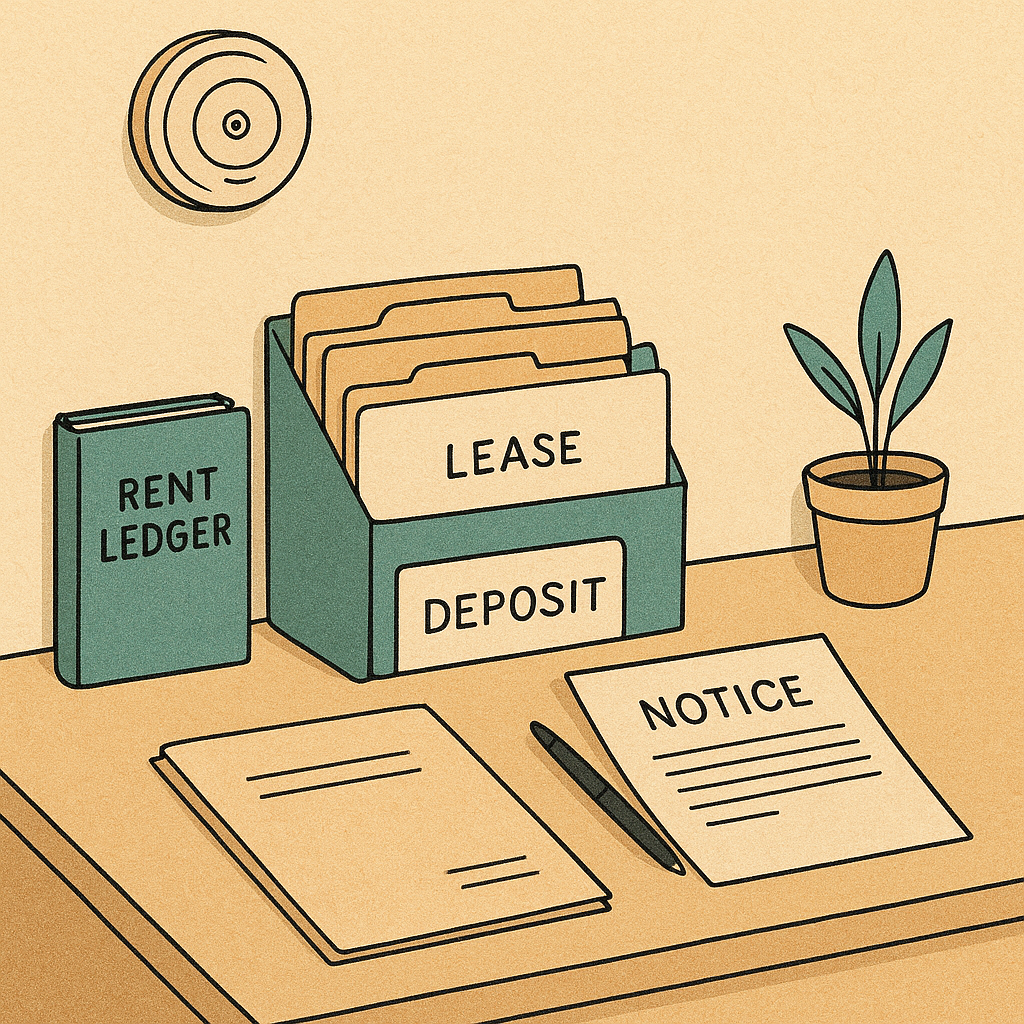
Question at the center of it all
What are the most costly mistakes landlords make with security deposits, and how can I prevent them without getting tangled in complexity?
Why this question matters
Security deposits are designed as a simple cushion. In practice, missteps here can bite you on the back end: delayed returns, disputes over wear and tear, or missing documentation that makes deductions seem arbitrary. By addressing a small set of reliable practices, you can reduce disputes and protect your bottom line.
The common missteps and why they cost you
- Not documenting the condition of the unit at move-in
- Without a clear move-in checklist, you’ll struggle to justify damages later. This often slides into disputes and slow reimbursements.
- Failing to separate normal wear from damage
- Landlords sometimes deduct for items that are expected with normal use. Clear standards help keep disputes manageable.
- Missing or vague move-out inspection terms
- If you don’t set expectations for move-out timing and process, you invite delays and questions about deductions.
- Stringent or inconsistent notice about deposit handling
- Inconsistent timing or method for returning deposits can trigger frustration and questions from tenants and maintenance staff alike.
- Inadequate records of deductions
- Without itemized deductions and receipts, tenant disputes escalate and small claims become larger than necessary.
- Not updating forms when policies change
- A form you used five years ago may not align with current practice, inviting confusion.
- Cash or informal handoffs instead of formal processes
- Informal deposits are more prone to loss, miscounts, or misallocation.
A practical, step-by-step approach to prevent costly mistakes
- Step 1: Use a standardized move-in/move-out checklist
- Photograph or video the unit, document condition, and sign off by both parties.
- Step 2: Create a clear wear-and-tear standard
- Define what counts as normal wear, and keep it in writing.
- Step 3: Implement a written move-out process with timelines
- Include notice requirements, inspection timing, and how deductions will be calculated.
- Step 4: Maintain a formal, itemized deduction record
- Attach receipts or estimates for every deduction; keep copies for tenants and records.
- Step 5: Use consistent communication channels
- Use one channel for deposit-related messages and keep a log.
- Step 6: Revisit forms and policies annually
- Update checklists, deductions, and timelines to reflect current practice.
- Step 7: Separate duties and keep receipts
- If you manage several units, assign deposit handling to a consistent process owner and store documents securely.
- Step 8: Consider a dedicated deposit log book
- A central ledger helps you track deposits, moves, returns, and deductions over time.
Quick checklist you can adapt now
- Move-in condition documented with photos or video
- Itemized list of what is considered normal wear
- Move-out inspection planned with a defined window
- Itemized deduction sheet with receipts attached
- Consistent notice and communication method for deposits
- Annual review of deposit-related forms and policies
- Dedicated deposit log or ledger for all units
Helpful reminders
- This is not legal or financial advice. Laws vary by location.
Helpful resources
- Security Deposit Checklist - a practical move-in and move-out documentation path
- Landlord Legal Forms (No-Nonsense Legal Forms) - quick templates you can adapt
- Lease Agreement Forms - broad coverage for occupancy terms
- Security Deposit Log Book - keep a tidy, auditable record
Move-out shortcut
Handle move-out with less guesswork for $5.
It gives you a printable inspection flow so condition notes, deposits, and follow-up work stay documented before the argument starts. Instant access after checkout.
- Turnover prep checklist
- Move-in checklist
- Preventative maintenance checklist
- Move-out inspection checklist
One-time purchase. No subscription nonsense. Payments are live.