When to Stop Being a Landlord: A Real-World Check-In
A practical look at recognizing the moment to wind down landlord duties and how to do it responsibly.
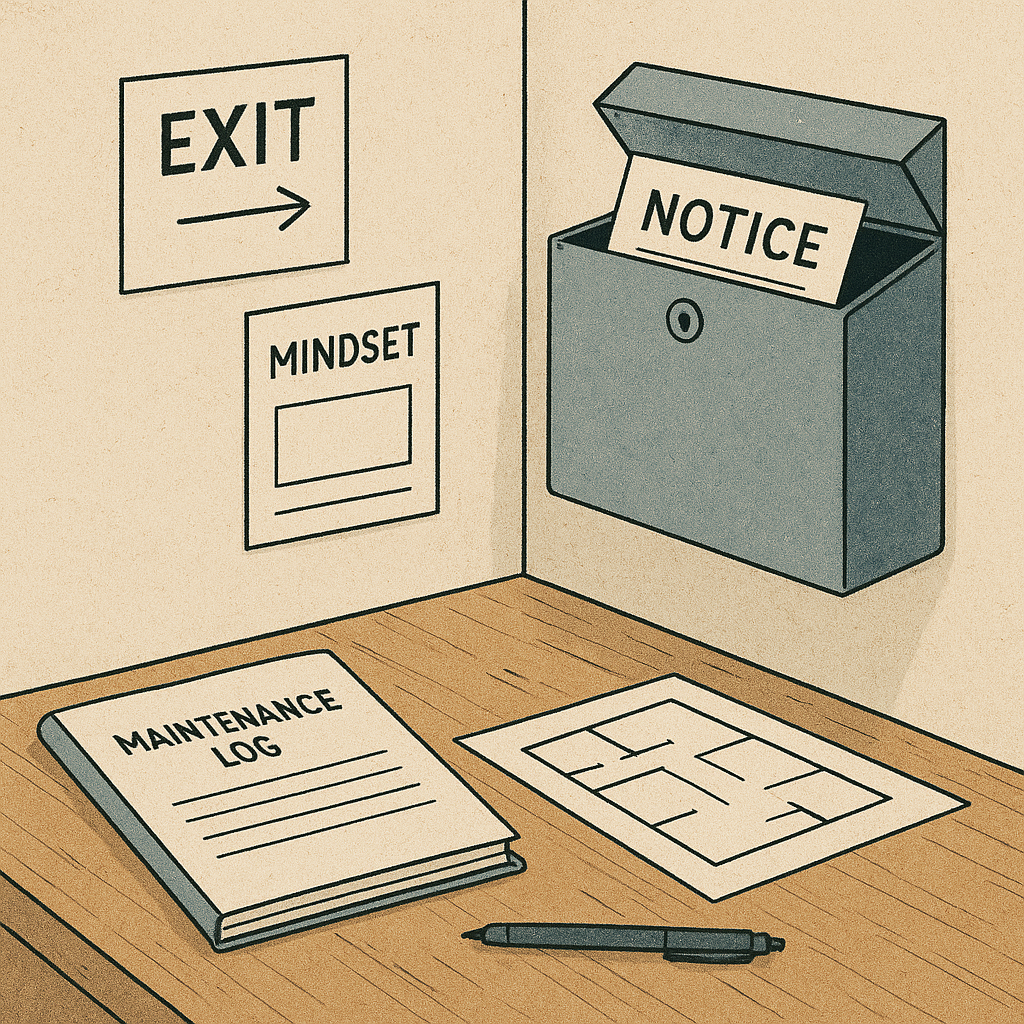
You’re not quite sure you’re ready to quit the landlord game, but you’re asking a concrete question: is it time to stop being a landlord? This piece follows one practical question with real-world steps, emphasizing calm assessment, clear communication, and a gradual wind-down rather than an abrupt exit. It’s not legal advice, and it doesn’t replace local requirements, but it can help you decide the right moment to step back.
One concrete question, many answers If you’ve owned rental property for a while, you’ll likely reach a point where the day-to-day tasks feel heavier than the rewards. The big question to anchor your decision is this: can you meet your financial goals and personal limits without taking on the daily grind of tenancy management? Answering yes often means you’re ready to reduce involvement or exit entirely. Answering no means you might need to adjust, delegate, or restructure—not abandon the project altogether.
A calm, structured way to evaluate
- Revisit your financial picture
- List the cash flow you currently receive from the property and compare it to your time and stress costs.
- Consider what would happen if the vacancy rate rose or if repairs became more frequent. Do you have reserves or other income that makes continuing feasible?
- Evaluate your mortgage, taxes, insurance, and any HOA or maintenance obligations. If these numbers still work, you may be closer to the “keep going” end of the spectrum; if they don’t, it’s a signal to reassess.
- Assess your personal limits and life changes
- Are you facing health issues, a demanding full-time job, or a long daily commute that makes landlord tasks feel like a burden?
- Do you resent phone calls at odd hours or fear tenant disputes? If your emotional energy is consistently low, that’s a sign you may benefit from reducing involvement.
- Are you planning to move, downsize, or focus on other investments? A shift in life priorities can justify a wind-down approach.
- Gauge tenant stability and property condition
- Have you had long-tenancy tenants who renew reliably, or has turnover been high and costly?
- Is the property weathering wear and tear well, or are major repairs looming? If routine maintenance dominates your calendar, consider a plan to transition.
- Consider whether you can maintain basic duties (collecting rent, responding to urgent issues, and ensuring habitability) without being deeply involved. If not, a staged exit may be appropriate.
- Explore practical exit routes
- Sell the property: This can simplify your life, but you’ll need to assess market timing, selling costs, and potential capital gains.
- Refinance or restructure: A loan modification or a partnership that shares duties can reduce your day-to-day load without a full exit.
- Hire a property manager: If the goal is to stay invested but reduce your hands-on time, professional management can reclaim your evenings and weekends without a full sale.
- Transition to a long-term, low-touch model: Shorter responses, no frequent visits, and a focus on essential compliance can be a middle ground.
- Build a careful transition plan
- Set a realistic timeline: pick a target date for reducing involvement or for selling, with milestones like “find a buyer” or “handoff property management.”
- Define triggers: decide what would force a quicker exit (ongoing vacancies, escalating maintenance costs) and what would allow more time.
- Prepare tenants: draft polite, clear notices if you intend to move toward vacancy or new management. Provide a pathway for them to continue being cared for during the transition.
A practical exit path (a step-by-step example)
- Step 1: Decide on your end goal (sell, switch to PM, or stay with less involvement).
- Step 2: Start a “day in the life” audit of your current tasks to see what you can hand off.
- Step 3: If you’re selling, collect property data, tenant payment histories, and repair records to hand to a potential buyer or broker.
- Step 4: If hiring a manager, interview several firms, ask for references, and define exact duties.
- Step 5: Communicate with tenants about upcoming changes in a respectful, transparent way.
- Step 6: Execute the transition with a formal plan and, if possible, a grace period during which you reduce your presence gradually.
A note on pace and realism There isn’t a universal right moment to stop being a landlord. Some people stay involved because they enjoy problem-solving, others because they don’t trust outside managers, and some because the financial math still works well. Your path should reflect your personal threshold for ongoing work, your financial goals, and the realities of your property. A well-timed exit is less about a calendar date and more about aligning your resources with your priorities.
Helpful practices to ease the transition
- Keep a simple file: create a single folder (physical or digital) with leases, maintenance logs, vendor contacts, and financial statements. A lean archive makes a handoff smoother.
- Communicate early and often: give notice when possible, and provide tenants with a clear path forward. Consistency in messaging reduces confusion and conflict.
- Pilot change before full exit: test a limited handoff to a property manager for a few months before cutting ties completely. See how the arrangement performs, then decide.
- Protect your reserves: maintain a modest cash cushion to cover the gap if you’re selling or moving to management to ensure you aren’t caught with unexpected costs.
This is not legal or financial advice. Laws vary by location.
Helpful resources
- Landlord Legal Forms (No-Nonsense Legal Forms) - Printable templates for leases and notices.
- Water Leak Sensor - Simple monitoring to avoid damage and disputes.
- Smoke and Carbon Monoxide Alarm - Essential safety reminders for tenants.
- The Book on Managing Rental Properties - Practical guidance for landlords.
Landlord checklist bundle
Stop rebuilding your checklist for $5.
The bundle keeps turnover, move-in, maintenance, and move-out checklists in one printable place so you can stop improvising the same steps from memory. Instant access after checkout.
- Turnover prep checklist
- Move-in checklist
- Preventative maintenance checklist
- Move-out inspection checklist
One-time purchase. No subscription nonsense. Payments are live.