What to do when a tenant is late on rent: a practical, one-question approach
A calm, practical guide for small landlords on handling late rent, with a simple action plan and clear steps.
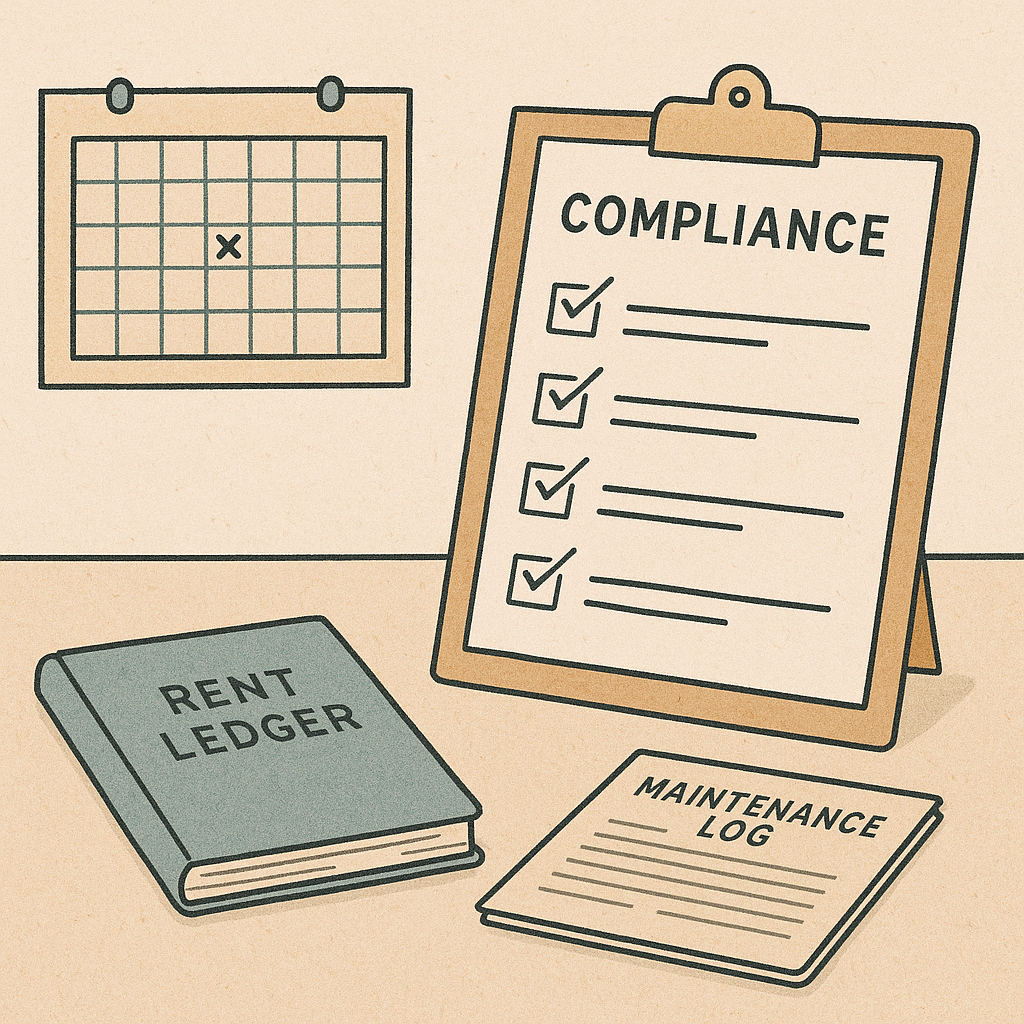
A common dilemma for small landlords is how to handle a tenant who deliveries past-due rent. The question I’ll center this post on is: what is the simplest, least-stressful sequence of steps I can follow to recover the money, protect the tenancy, and keep the landlord-tenant relationship from breaking down? The answer isn’t dramatic; it’s a steady, documented process you can repeat when needed. Below is a practical, one-question framework you can apply to any late payment situation.
The core question
If you’re dealing with late rent, ask yourself: what is the minimum, consistent action I can take today that will move this toward payment while preserving the tenancy and reducing friction tomorrow? The emphasis is on clarity, documentation, and predictable steps, not on anger or threats. By answering this question in a planned way, you’ll reduce surprises for both you and your tenant.
Step-by-step plan you can follow
- Confirm the facts
- Check your records: what is the exact due date, how many days late, and what payments have been received.
- Review the lease: what does it say about grace periods, late fees, and remedies for nonpayment. Note any provisions your state or local rules may require you to follow.
- Verify payments: if you use online payments, confirm timing and processing windows. If the tenant says a payment is in transit, ask for a traceable method and a receipt.
- Open a calm line of communication
- Reach out promptly and professionally. A short message can be: “Hi [Tenant], your rent for [month] is due on [date]. As of today, our records show it hasn’t been received. Please let me know the status or share a payment timeline.”
- Avoid accusing language. The goal is to confirm intent and set expectations for resolving the balance.
- Document the communication: save emails, texts, or notes from phone conversations.
- Confirm any late fees and the balance
- If your lease allows late fees, verify the amount and when they start according to your document and local rules.
- Provide a specific, accurate total: monthly rent plus any late charges and the total due.
- If you have a payment plan option in the lease or a standard policy, outline it clearly.
- Offer a plan, not a demand
- Present practical options: a plan to catch up by a certain date, or a partial payment now with a plan for the rest.
- If you’re comfortable with it, suggest an installment schedule that aligns with their income schedule. For example, a partial payment by a date and the remainder by another date.
- Avoid tying future stability to immediate, forced actions; the aim is a sustainable path to payment.
- Set a reasonable deadline and document it
- Give a concrete deadline for the next payment or for a signed payment plan. Common practice is within 5–10 days, depending on your lease and local rules.
- Put the agreed terms in writing. This could be an email recap or a short formal note attached to the lease file.
- If you don’t receive the payment by the deadline, you’ll have a clear next step to reference.
- Follow your documented process if payment is not received
- If payment is received by the deadline, acknowledge receipt and update records.
- If not received, proceed to a formal, state-appropriate step you have documented. This often begins with a written notice, such as a late notice or a demand for payment.
- Keep all communications professional and factual. Do not threaten; state the consequences that are in the lease.
- Consider the value of flexibility vs. policy
- A single late payment doesn’t necessarily mean a tenant should be expelled. It can be a sign of an interim financial squeeze.
- If you see repeated late payments, you may want to revisit the lease terms or discuss a longer-term payment plan.
- Your goal is to collect the rent while avoiding unnecessary eviction proceedings when avoidable.
- Protect yourself and the property
- If you’re forced to take formal action, you’ll want to have clean records and a clear path forward. Gather documents: the lease, ledgers, notices sent, and any written agreements.
- Ensure your notices and steps conform to the lease and, where applicable, local regulations. Avoid taking informal actions that could complicate later steps.
A practical checklist you can reuse
- Verify the due date and amount, and check your ledgers for accuracy.
- Review the lease for late fees, grace periods, and remedies.
- Reach out with a calm, factual message and document the response.
- State the total amount due and any options (payment plan, partial payment, timing).
- Agree on a concrete deadline and document the plan in writing.
- If payment is not received, follow the decided formal steps in sequence.
- Maintain a consistent, professional tone in all communications.
- Keep all records organized for future reference.
What to avoid
- Don’t threaten eviction for a late payment in the initial outreach. Eviction is a process with specific steps and timelines; it shouldn’t be the first move.
- Don’t rely on vague verbal promises. Put essential terms in writing and confirm them.
- Don’t assume bad intent. Some tenants face temporary financial hardship; a cooperative approach can save more trouble overall.
When this approach doesn’t work
If you repeatedly encounter late payments or nonpayment, you’ll need to follow your lease and local rules for formal remedies, which can include notices, late-fee enforcement, or more formal eviction proceedings. The sequence should be documented and reproducible so you can apply it consistently in future cases.
Realistic expectations
Late rent is stressful, but a steady process reduces the emotional burden for both sides. A well-documented plan that is communicated calmly gives you a stronger footing if action becomes necessary and helps preserve the tenancy when possible.
Helpful resources
- Lease Agreement Forms - standard documents for clarity and consistency
- The Book on Managing Rental Properties - practical guidance for landlords
- Landlord Emergency Contact Poster - quick reference for tenants
- Security Deposit Log Book - keep track of deposits and related notes
This is not legal or financial advice. Laws vary by location.
Landlord checklist bundle
Stop rebuilding your checklist for $5.
The bundle keeps turnover, move-in, maintenance, and move-out checklists in one printable place so you can stop improvising the same steps from memory. Instant access after checkout.
- Turnover prep checklist
- Move-in checklist
- Preventative maintenance checklist
- Move-out inspection checklist
- 48 practical checks across the tenant cycle
- PDF, browser version, and plain-text copy
- Instant access after checkout
One-time purchase. No subscription nonsense. Payments are live.