Who pays for repairs: landlord responsibilities vs tenant duties in a rental
A practical guide for small landlords on a single, concrete question: when an appliance or fixture breaks, who is on the hook for repair costs?
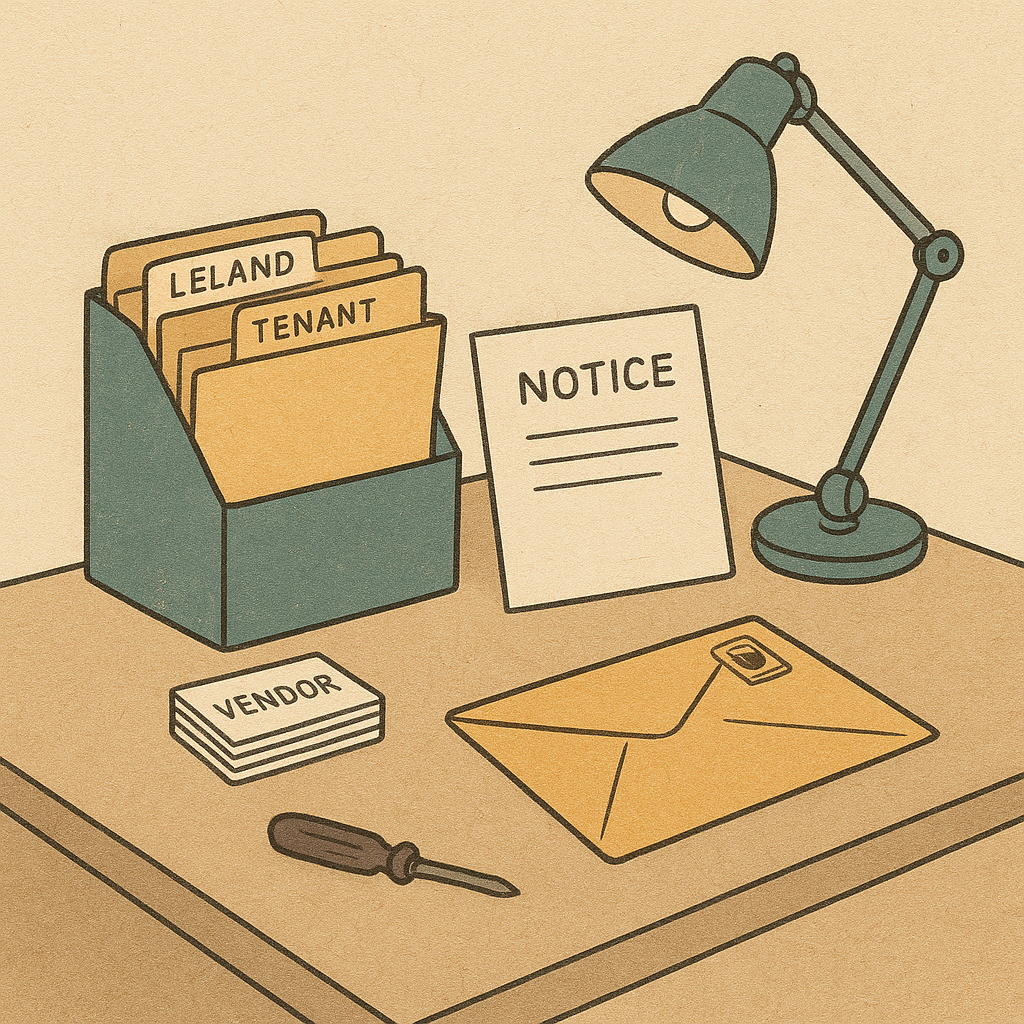
The one concrete question
What repairs are the landlord’s responsibility and what counts as a tenant’s responsibility when an essential appliance or fixture stops working (for example, a broken water heater, a non-functioning furnace, or a malfunctioning oven)? The aim here is to separate predictable, ongoing maintenance from tenant-caused or optional repairs, and to have a clear, low-drama approach when things fail.
In practice, most properties fall into a simple pattern:
- Landlord responsibilities typically cover systems and components that affect health, safety, and habitability, plus major repairs to ensure basic functioning.
- Tenant responsibilities usually cover minor wear and tear, damage caused by the tenant or their guests, and routine upkeep the tenant is expected to perform.
This framework is common in many rental situations, but it’s not a substitute for local rules or a written lease. Use it as a practical starting point to discuss repairs with tenants, set expectations, and document what’s agreed.
How to think about common cases
- Heating, cooling, and hot water: If the failure is due to normal wear or a systemic issue, the landlord should arrange and pay for the repair. If the tenant caused the issue (for example, using the thermostat improperly leading to a breakdown), there may be a shared responsibility or a tenant-pay scenario depending on the lease and local norms.
- Appliances included in the rental: If an appliance (stove, fridge, washer/dryer) breaks and the fault is not due to user error, the landlord typically repairs or replaces it. If the appliance stopped working and the tenant caused the problem (e.g., overloading, misusing settings), the lease may specify tenant repair or replacement duties.
- Plumbing and water issues: Leaks, running toilets, or broken pipes usually fall to the landlord, especially when they affect water damage or health. Tenant obligations often cover clogs or fixtures caused by improper use.
- Electrical systems: Electrical failures that affect safety or habitability are usually landlord responsibilities. If the tenant caused damage through misuse, a cost-sharing or tenant-pay rule may apply depending on the lease.
- Cosmetic items vs essential systems: Cosmetic problems (like chipped paint or a stuck cabinet) are typically tenant responsibilities, while essential systems (heat, hot water, electrical, plumbing) are landlord responsibilities.
If you’re unsure in a gray area, default to the habitability standard: can the tenant safely live there and use the unit as intended? If yes, it’s a sign that the landlord should act to restore essential function.
A practical process you can follow
- Confirm the issue and its impact on habitability. Note whether it affects heat, water, safety, or major appliances.
- Check your lease for a repairs clause. Look for who pays for what and any specific thresholds or limits.
- Assess whether the failure is due to normal wear and tear or tenant-caused damage.
- Communicate with the tenant promptly. Explain whether you’ll handle the repair and an estimated timeline, or if the tenant is responsible for arranging a repair.
- Obtain a reasonable estimate or two before proceeding with repairs, especially for larger costs.
- Document everything in writing: issue reported, decisions made, who will pay, dates, and any warranties.
- Keep a calm, steady record for future reference. If disputes arise, refer back to the lease terms and the habitability standard you’ve agreed on.
Practical steps you can take today
- Create a simple repairs log for your property and keep it up to date.
- Add a repairs clause to your standard lease if you don’t already have one, acknowledging habitability standards and typical repair responsibilities.
- Build a small emergency fund for major, unexpected fixes so you don’t have to delay due to budgeting concerns.
- Consider a preferred vendor list for common repairs to speed up responses and keep costs predictable.
Quick decision checklist
- Is the issue essential to habitability or safety (heating, hot water, plumbing, electrical, structural integrity)? If yes, it’s usually landlord responsibility.
- Is the problem primarily cosmetic or caused by tenant misuse? If yes, tenant responsibility is more likely.
- Is there a clear clause in the lease that assigns responsibility? If yes, follow it.
- Can you get a fair estimate and communicate a clear plan to the tenant within a few days? If yes, proceed with documentation.
- Have you documented the issue, response, and costs? If not, do so now.
When to seek outside input
If there’s a dispute that isn’t resolved by the lease language or your standard practices, consider a neutral third party (another landlord, a property manager, or a mediation service) to help interpret the agreement and guide the next steps. This article does not substitute for jurisdiction-specific advice, and it’s not legal counsel.
Important disclaimer
This is not legal or financial advice. Laws vary by location.
Helpful resources
- Security Deposit Log Book - Simple tracker for deposit-related issues and deductions.
- Smoke and Carbon Monoxide Alarm - Relevant safety standards and monitoring equipment.
- Water Leak Sensor - Early warning for plumbing issues.
- The Essential Landlord Checklist Bundle - Helps document condition over tenancy.
Publication date: 2026-02-25
Maintenance shortcut
Keep the boring maintenance stuff straight for $5.
The maintenance checklist gives you a simple seasonal rhythm before filters, leaks, and small repairs get expensive and annoying. Instant access after checkout.
- Turnover prep checklist
- Move-in checklist
- Preventative maintenance checklist
- Move-out inspection checklist
- 48 practical checks across the tenant cycle
- PDF, browser version, and plain-text copy
- Instant access after checkout
One-time purchase. No subscription nonsense. Payments are live.