Getting a rental ready for new tenants: a single-question, practical plan
A practical guide answering one core question: what steps should I take first to prepare a rental property for new tenants?
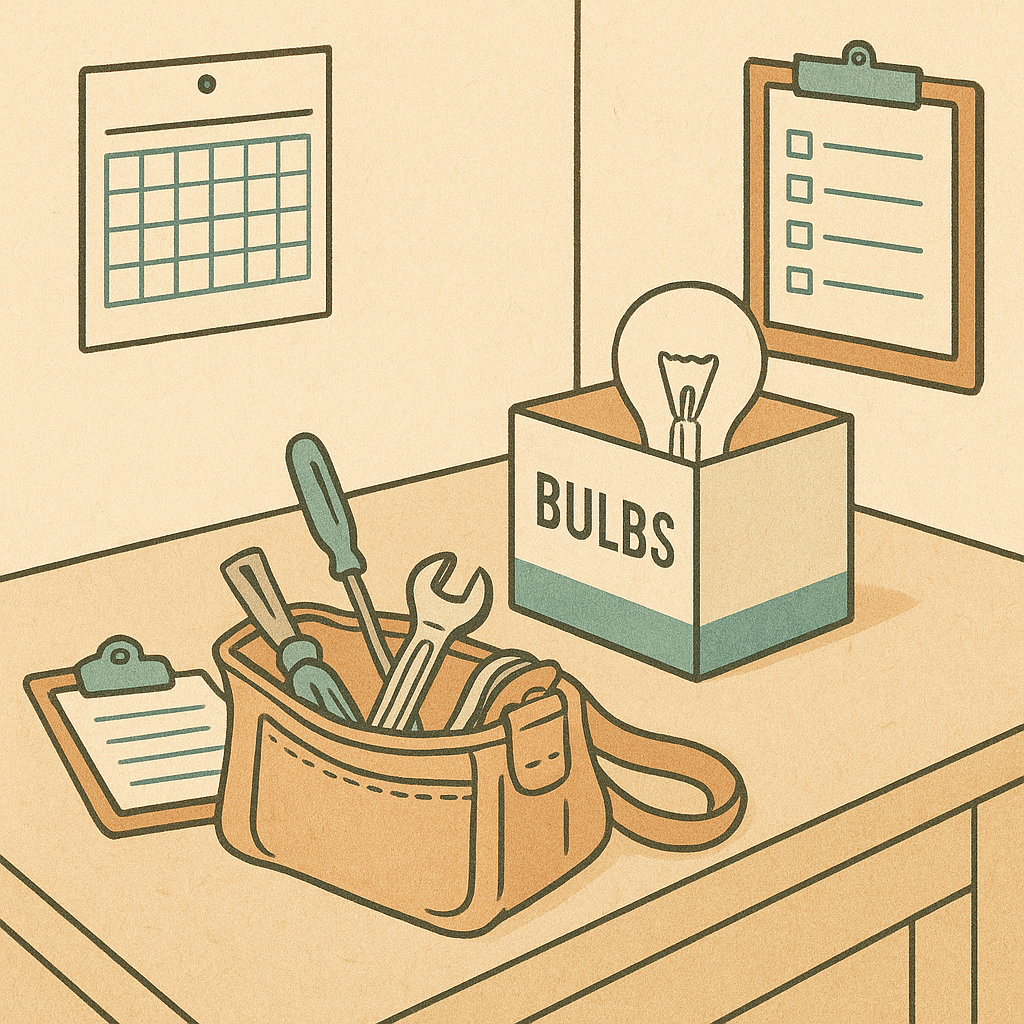
Preparing a rental property for new tenants can feel like juggling a few different tasks at once. To keep things manageable, start with one concrete question: what is the minimum, essential set of actions I should complete before a new tenant moves in? The aim is to create a safe, clean, and functional home while avoiding unnecessary delays or overhauls. The answer below breaks down a practical, repeatable approach you can apply to most properties, season after season.
Core question: what must I do first to prepare a rental for new tenants?
Answering this question requires prioritizing safety, cleanliness, and basic functionality. You’ll want to address issues that affect habitability, reassure the tenant about basic living standards, and set up systems that support smooth move-in and first weeks. Here is a practical, ordered plan you can follow.
- Safety and compliance quick sweep
- Confirm smoke and CO detectors are present and working; replace batteries if needed.
- Check that handrails, stairs, and lighting paths are secure and unobstructed.
- Ensure outlets and switches function or note repairs for later. Do not ignore any recalls or known safety concerns.
- Inspect for mold or dampness in bathrooms, kitchens, and basements; address obvious sources if you can safely do so. Document anything that requires professional attention.
- Cleanliness as a baseline
- Do a thorough cleaning of every room, paying special attention to kitchens and bathrooms. A clean space helps tenants feel at ease and reduces call-backs during the first weeks.
- Replace air filters if the unit has a central system; this helps with air quality and can reduce maintenance requests soon after move-in.
- Clean windows, sweep porches, and make sure entryways are inviting. A tidy first impression matters and can reduce early wear on flooring and fixtures.
- Functionality and basic repairs
- Make a short, prioritized list of repairs that affect daily living: leaky faucet, stuck doors, non-working outlets, malfunctioning appliances, and broken window latches.
- If you’re not confident to fix something quickly, schedule a professional and communicate a realistic timeline to the new tenants. Delays are common; being transparent helps manage expectations.
- Check the kitchen and bathroom fixtures for leaks, drainage, and water pressure. Fix simple issues before move-in to avoid ongoing complaints.
- Utilities, keys, and access
- Confirm who pays which utilities if applicable and ensure meters are readable and labeled.
- Prepare a spare set of keys, and document access instructions for each entry door. If you use smart devices or lock systems, ensure they’re functioning and set up for new tenants.
- Clear instructions for garbage, recycling, and any composting rules. A simple one-page insert can save questions during the first week.
- Basic maintenance and touch-ups
- Touch up paint where scuffs are obvious and ensure there are no peeling surfaces. Neutral colors help future tenants imagine their own belongings in the space.
- Check flooring for obvious wear, trim gaps, and door alignment. Fix small issues if feasible; save larger projects for after move-in if you must.
- Ensure that appliances are clean and ready to use; provide operating manuals if you have them.
- Documentation and expectations
- Prepare a clean, simple move-in packet that outlines: basic house rules, how to contact you, typical response times, and where to find important documents like manuals or warranties.
- If you collect a security deposit, have a simple, transparent notice about its use and return process. You can reference your own standard policy without getting into jurisdiction specifics here.
- Take a fresh set of photos after you complete the prep work. New tenants value a clear record of the property’s condition at move-in, which helps reduce disputes later.
- Final walk-through with a practical checklist
- Do a final walk-through focusing on the day-to-day living areas first, then common areas and exterior spaces.
- During this walk, look for safety or usability issues that a tenant would notice first: a door that doesn’t latch, a gutter that leaks, a crack in the window seal, or a porch light that doesn’t illuminate.
- Note everything, including items you plan to upgrade or replace in the future. This helps you plan budgeting and scheduling without derailing the move-in date.
A simple, repeatable checklist you can reuse
- Smoke/CO detectors tested and batteries replaced
- Exit paths clear and lighting working
- All fixtures operational (faucets, outlets, switches, appliances)
- Spaces cleaned thoroughly (kitchen, bathrooms, floors, and windows)
- Filters replaced where applicable
- Leaks or drips addressed or scheduled for professional repair
- Utilities and access instructions ready
- Move-in packet with rules, contacts, and manuals prepared
- Photos taken of staged condition for move-in documentation
- Final walk-through performed and notes filed
This approach keeps the process grounded in what matters most to tenants: they want to move into a safe, clean, and functioning home with predictable expectations. You don’t have to solve every problem before the first day, but it helps to clear the obvious obstacles and set a clear baseline for the tenancy. Keeping a simple, repeatable routine reduces last-mile stress and makes move-ins smoother for you too.
If you’d like to adapt this for a specific property, think about the property’s typical quirks and adjust the checklist in a few clear places. For example, if the unit has an older kitchen appliance that is still functional, note its status and any maintenance plan rather than attempting a full replacement before move-in. The key is to communicate clearly and keep the process targets small, manageable, and consistent.
Helpful resources
- The Essential Landlord Checklist Bundle - Handy reference for condition notes and documentation.
- Lease Agreement Forms - Quick, standard document templates for move-in terms.
- Tenant Background Screening Service - Consider as part of tenant vetting process.
- Landlord Legal Forms (No-Nonsense Legal Forms) - Practical forms for daily landlord needs.
This is not legal or financial advice. Laws vary by location.
Move-in shortcut
Make move-in week cleaner for $5.
Grab the printable move-in and turnover checklists if you want one clean handoff instead of a pile of forgotten steps and follow-up texts. Instant access after checkout.
- Turnover prep checklist
- Move-in checklist
- Preventative maintenance checklist
- Move-out inspection checklist
- 48 practical checks across the tenant cycle
- PDF, browser version, and plain-text copy
- Instant access after checkout
One-time purchase. No subscription nonsense. Payments are live.