Preparing a rental property for new tenants: a practical, no-surprise starter checklist
A straightforward guide to getting a rental ready for move-in, covering essential steps from initial inspection to a smooth handoff.
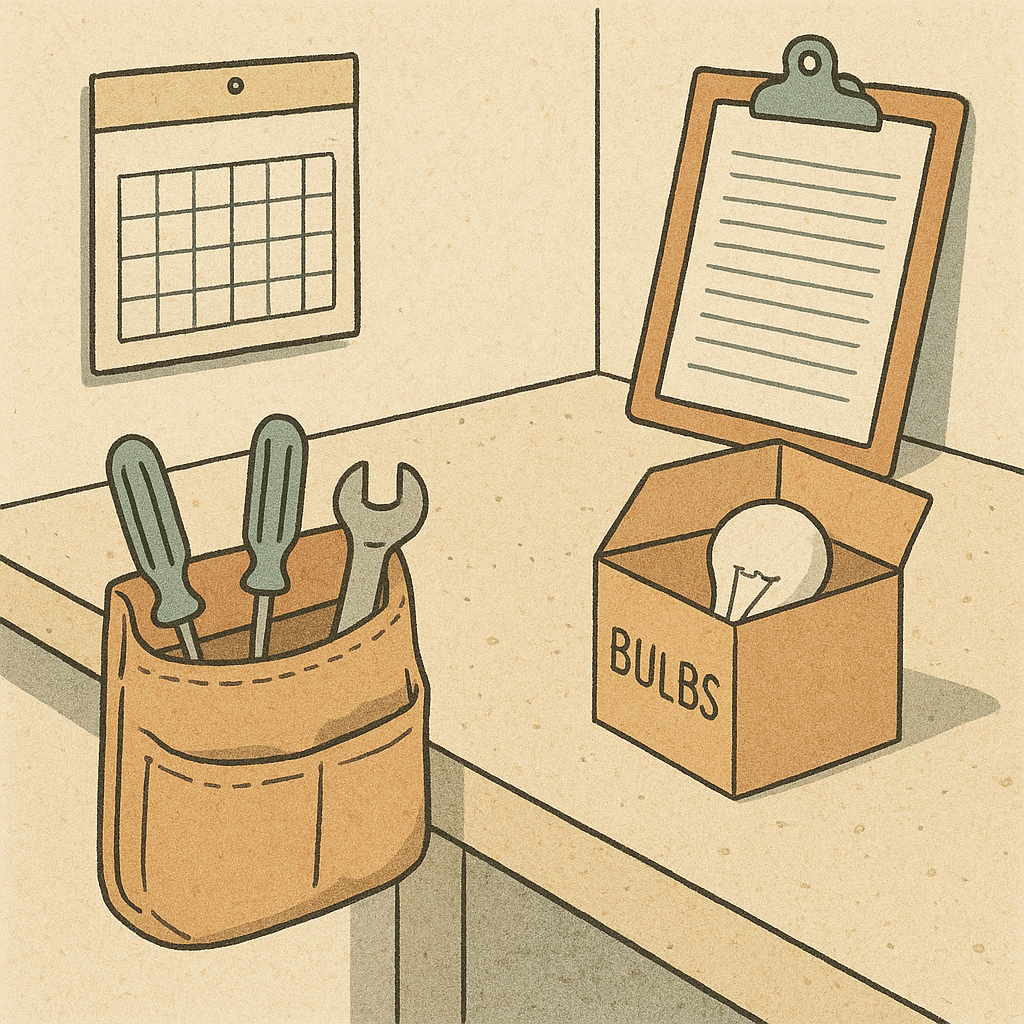
One concrete question guides this guide: what practical steps should I take to prepare a rental property for new tenants before they move in?
The goal is to create a clean, safe, and reliable space that minimizes questions and quick turnover problems. It’s not about a perfect showroom, but about predictable standards you can repeat with every turnover. The process below is written for small landlords who juggle many other tasks and need a reliable routine rather than a one-off miracle.
What to do before the move-in date
- Do a fresh walk-through and document the unit
- Schedule a quick pre-move-in walk-through with yourself (and, if you wish, with the property manager). Note cosmetic issues, inoperative fixtures, and any safety concerns.
- Take dated photos and note the condition of walls, floors, appliances, and fixtures. This serves as a baseline for move-out conditions and helps avoid disputes later.
- Create a simple punch list of items to fix or update before the tenant arrives. The goal is to address what affects habitability or daily use, not cosmetic changes you can overlook if you’re pressed for time.
- Clear the unit of clutter and perform a deep clean
- Do a thorough cleaning of kitchens, bathrooms, appliances, floors, windows, and vents. A clean space reduces questions about cleanliness and helps the tenant settle in sooner.
- Check and clean air vents, filters, and HVAC components if applicable. If you can’t access the system easily, note its status and service history.
- Sanitize high-touch areas (doorknobs, light switches, faucets) and consider deodorizing lightly if there are lingering odors from previous occupants.
- Verify safety and basic functionality
- Test essential safety items: operable dead bolts/door locks, window latches, smoke detectors, and carbon monoxide detectors where required. Replace batteries or units if needed.
- Ensure lighting is functional in all common and living areas. Replace any burnt-out bulbs and address uneven lighting quickly.
- Check water pressure and drainage in sinks, showers, and tubs. Clear any obvious clogs and note if plumbing may need service soon.
- Ensure electrical outlets and GFCI-protected outlets in kitchens and bathrooms are working; label breakers if you do not routinely access the panel.
- Address maintenance and repairs with a simple plan
- Complete any minor repairs that affect daily use (dripping faucet, stuck window, loose cabinet door). For larger issues, schedule professional help and set clear expectations with the tenant about timing.
- Prioritize items tied to safety and habitability over cosmetic upgrades. Tenants care more about functioning systems and clean spaces than perfect paint in corners.
- If you plan upcoming upgrades, document the scope and timeline in writing, so the tenant isn’t surprised by ongoing work after move-in.
- Check utilities and service setup
- Confirm which utilities are included or billed separately and coordinate with the tenant on setup dates. If you manage utilities, verify meters and service transfers are ready.
- Ensure essential appliances are ready to use (stove, refrigerator, dishwasher, laundry machines if provided). Leave brief usage notes if needed.
- If you use professional lawn care or building maintenance services, align the first service date with move-in.
- Prepare the move-in paperwork and welcome basics
- Have a copy of the lease available and ready for signing, along with any addenda you routinely use (pet policy, maintenance responsibilities, notice requirements).
- Create a simple welcome binder or digital bundle with unit information: how to operate appliances, where electrical panels are, trash collection days, and emergency contacts.
- Leave a few basic supplies if you provide them (extra light bulbs, bath tissue, paper towels) so the tenant isn’t starting off running to a store.
- Set up a reasonable post-move-in routine
- Schedule a brief follow-up check-in within 2–4 weeks to address any lingering issues and confirm the tenant is comfortable with the space.
- Explain how you handle maintenance requests: preferred method, expected response times, and what constitutes urgent issues.
- Keep a simple maintenance log for yourself so you can track what was done and when, which helps with future turnovers.
- Document condition for future reference
- Save any photos or videos from the move-in state as part of your records. Store them in a protected file or cloud folder labeled with the address and date.
- Record the agreed move-in date and any deviations from standard procedures (for example, if a repair was delayed due to supply issues). Clear documentation helps prevent misunderstandings down the line.
A practical routine you can reuse
- Create a 2–3 page Turnover Checklist that you or your property manager use for every unit. Keep it simple and repeatable so you don’t reinvent the wheel with each new tenant.
- Build a small library of go-to service providers for quick repairs (plumbers, electricians, handypersons). Having reliable options reduces downtime and keeps turnover moving.
- Maintain consistent expectations by communicating them upfront. If you promise a clean unit at move-in, follow through. Tenant trust grows when you’re predictable.
Disclaimers and boundaries
- This is not legal or financial advice. Laws vary by location. Check your own local requirements for safety standards, required disclosures, and eviction rules.
- The guidance here focuses on practical steps to prepare a unit for new tenants and does not substitute for professional advice where needed.
To summarize, the central question is: what practical steps should I take to prepare a rental property for new tenants before they move in? The core answer is to establish a clear, repeatable turnover routine that covers safety, cleanliness, basic utilities, and clear documentation. By doing a thorough pre-move-in walk-through, performing targeted repairs and cleaning, confirming safety features, aligning utilities and services, and setting up straightforward paperwork and welcome resources, you create a solid foundation for a smooth transition from one tenancy to the next. A predictable process helps you avoid last-minute scrambles and reduces friction with tenants from day one.
Helpful resources
- The Essential Landlord Checklist Bundle - practical reference for documenting unit conditions.
- Lease Agreement Forms - standardized documents to simplify move-in paperwork.
- Tenant Background Screening Service - efficient screening option.
- Landlord Legal Forms (No-Nonsense Legal Forms) - helpful for essential paperwork templates.
This is not legal or financial advice. Laws vary by location.
Move-in shortcut
Make move-in week cleaner for $5.
Grab the printable move-in and turnover checklists if you want one clean handoff instead of a pile of forgotten steps and follow-up texts. Instant access after checkout.
- Turnover prep checklist
- Move-in checklist
- Preventative maintenance checklist
- Move-out inspection checklist
One-time purchase. No subscription nonsense. Payments are currently in test mode.