Preparing a rental property for new tenants: a practical, one-issue approach
A calm, step-by-step guide focused on a single practical question: what to fix and prep before new tenants move in.
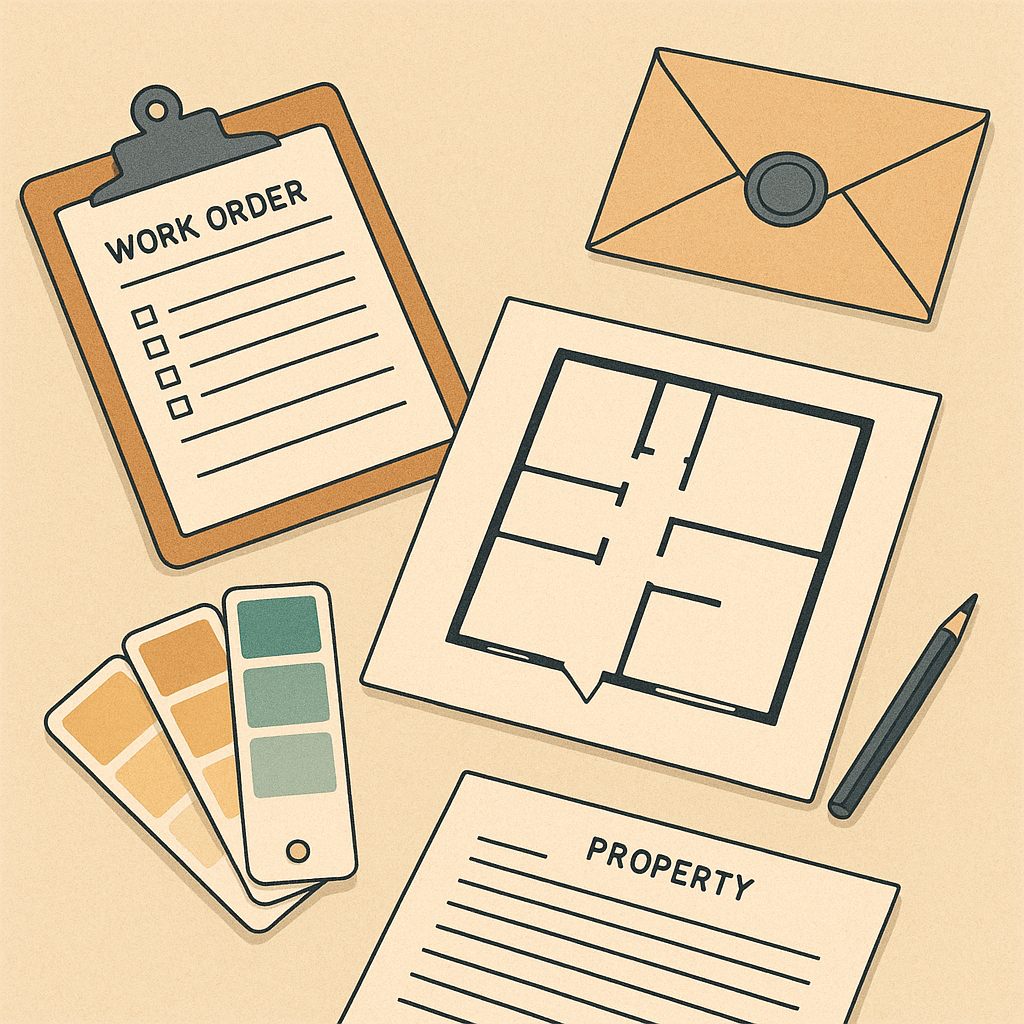
Moving a new tenant in can be a quiet win if you keep the job focused and practical. The core question to guide your prep is: what should I fix or refresh before the new tenants arrive? Answering that with a clear plan helps you avoid last-minute scrambles and ensures the basics are solid. This article stays practical and grounded, avoiding hype or legal disclaimers, and it’s not jurisdiction-specific.
The concrete question to answer
What are the must-done tasks that affect safety, reliability, and daily living for the first weeks of occupancy? Start with the basics, then layer in improvements as needed. The goal is a safe, clean, and functional space where tenants can settle in without immediate indoor maintenance concerns.
A practical prep plan (step-by-step)
- Do a complete safety check: smoke and CO detectors, fire extinguisher accessibility, carbon monoxide alarms if required, visible gas lines, electrical outlets and switch plates for loose connections, and any trip hazards.
- Inspect and fix critical systems: plumbing leaks, hot water supply, heating/cooling (or at least a working HVAC), water pressure, and functional wiring for essential appliances.
- Clean thoroughly and refresh high-touch areas: kitchens and bathrooms clean, floors cleaned or mopped, and appliances checked for overall cleanliness. Consider replacing worn bathroom caulk and resealing countertops if needed.
- Address cosmetic wear that affects daily use: door hinges, cabinet doors, cabinet handles, and lighting that works reliably in living spaces and entryways. A bright, welcoming space reduces immediate maintenance calls.
- Tidy and document: create a simple move-in packet with contact info, how-to guides (how to operate the thermostat, gate or porch light, laundry equipment), and a basic floor plan with shut-off locations (water, electricity, gas if applicable).
- Verify utilities and services: confirm that meters are in the tenant’s name if required, notify the appropriate providers, and ensure internet/TV options are feasible and explained in the packet.
- Schedule a move-in inspection: do a quick walk-through with the tenant at move-in, note any pre-existing issues, and have them acknowledge the condition. This helps avoid disputes later.
- Safety-first documentation: document any ongoing issues with a plan for repairs and a realistic timeline. Record dates and the people responsible for follow-up.
- Final touches: replace batteries in smoke/CO detectors if you can’t verify they’re fresh, replace any dead bulbs, and ensure all exterior lights work for safety and curb appeal.
A simple pre-move-in checklist
- Safety devices checked and working (smoke/CO detectors, extinguishers)
- Plumbing inspected; leaks repaired; hot water available
- Electrical outlets and switches safe; no exposed wiring
- Heating/cooling functional or basic, especially in shoulder seasons
- Kitchen and bathroom cleaned; caulk refreshed where needed
- Doors, handles, and locks secure; entry hardware working
- Move-in packet prepared with guides and contacts
- Move-in inspection completed; photos taken
- Utilities in order and explained to tenants
- Exterior lights and common areas checked
If you want a printable version to reuse before each handoff, start with the rental move-in checklist.
What to avoid during prep
- Don’t wait for a tenant to report a problem that affects safety.
- Don’t rush through cleaning; a sloppy initial clean often leads to complaints.
- Don’t overlook small repairs that quickly escalate (drips, squeaks, worn seals).
After the move-in
- Keep a simple maintenance log: note when items are repaired and by whom.
- Confirm that tenants know how to reach you and what to do in emergencies.
- Schedule a follow-up check only if needed after the first month, not immediately at move-in day.
This approach keeps the focus on the most important items first, then adds the extra refinements that create a comfortable, predictable home for new tenants. It’s a steady, practical rhythm rather than a frantic sprint.
This is not legal or financial advice. Laws vary by location.
Helpful resources
- Rental Move-In Checklist - a reusable handoff path for new tenant prep
- Landlord Legal Forms (No-Nonsense Legal Forms) - standard forms for move-in documents and notices
- Tenant Background Screening Service - basic screening toolkit for new tenants
- Landlord Emergency Contact Poster - quick reference for emergencies
- Lease Agreement Forms - templates for new leases
Move-in shortcut
Make move-in week cleaner for $5.
Grab the printable move-in and turnover checklists if you want one clean handoff instead of a pile of forgotten steps and follow-up texts. Instant access after checkout.
- Turnover prep checklist
- Move-in checklist
- Preventative maintenance checklist
- Move-out inspection checklist
- 48 practical checks across the tenant cycle
- PDF, browser version, and plain-text copy
- Instant access after checkout
One-time purchase. No subscription nonsense. Payments are live.